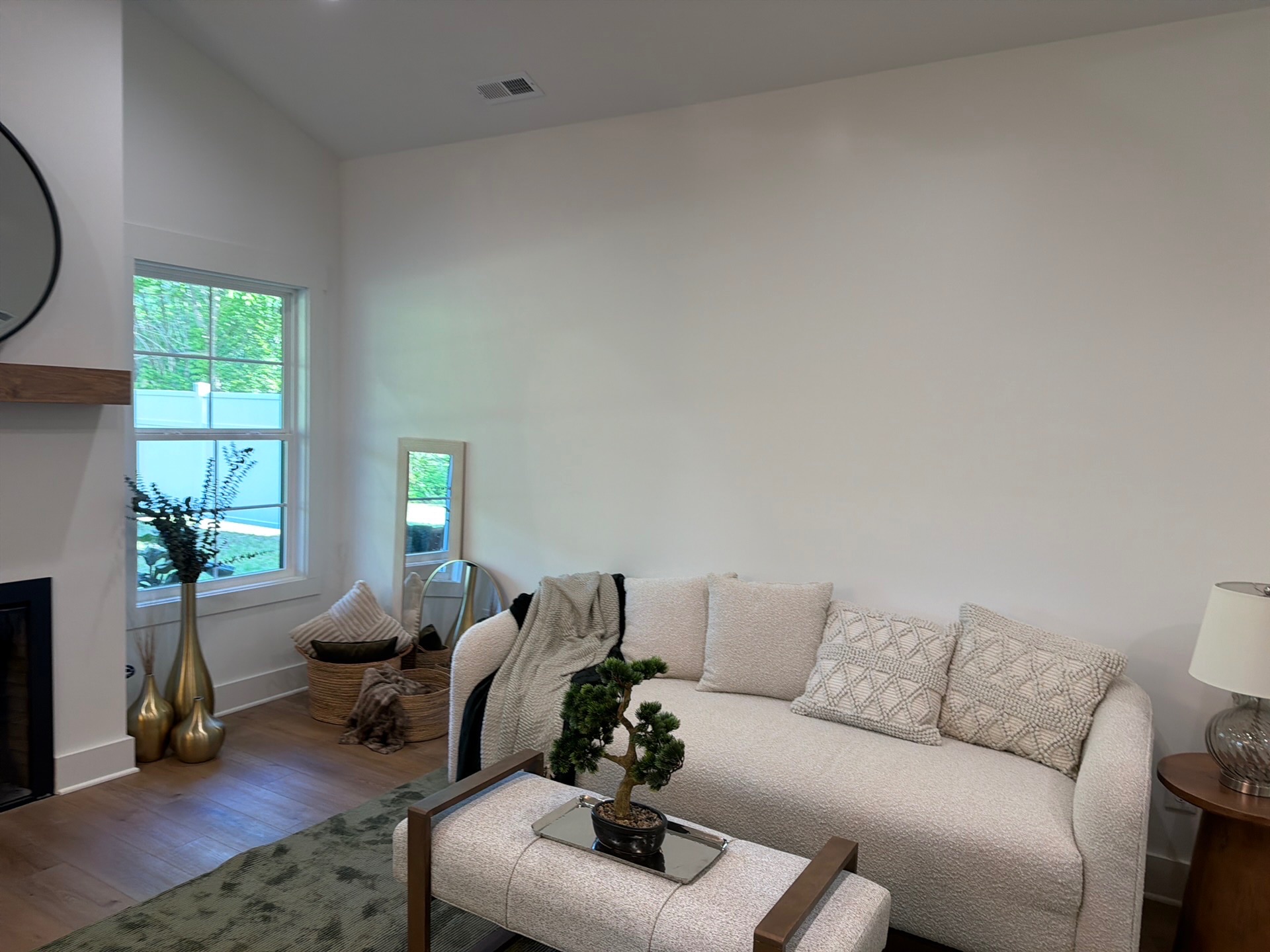
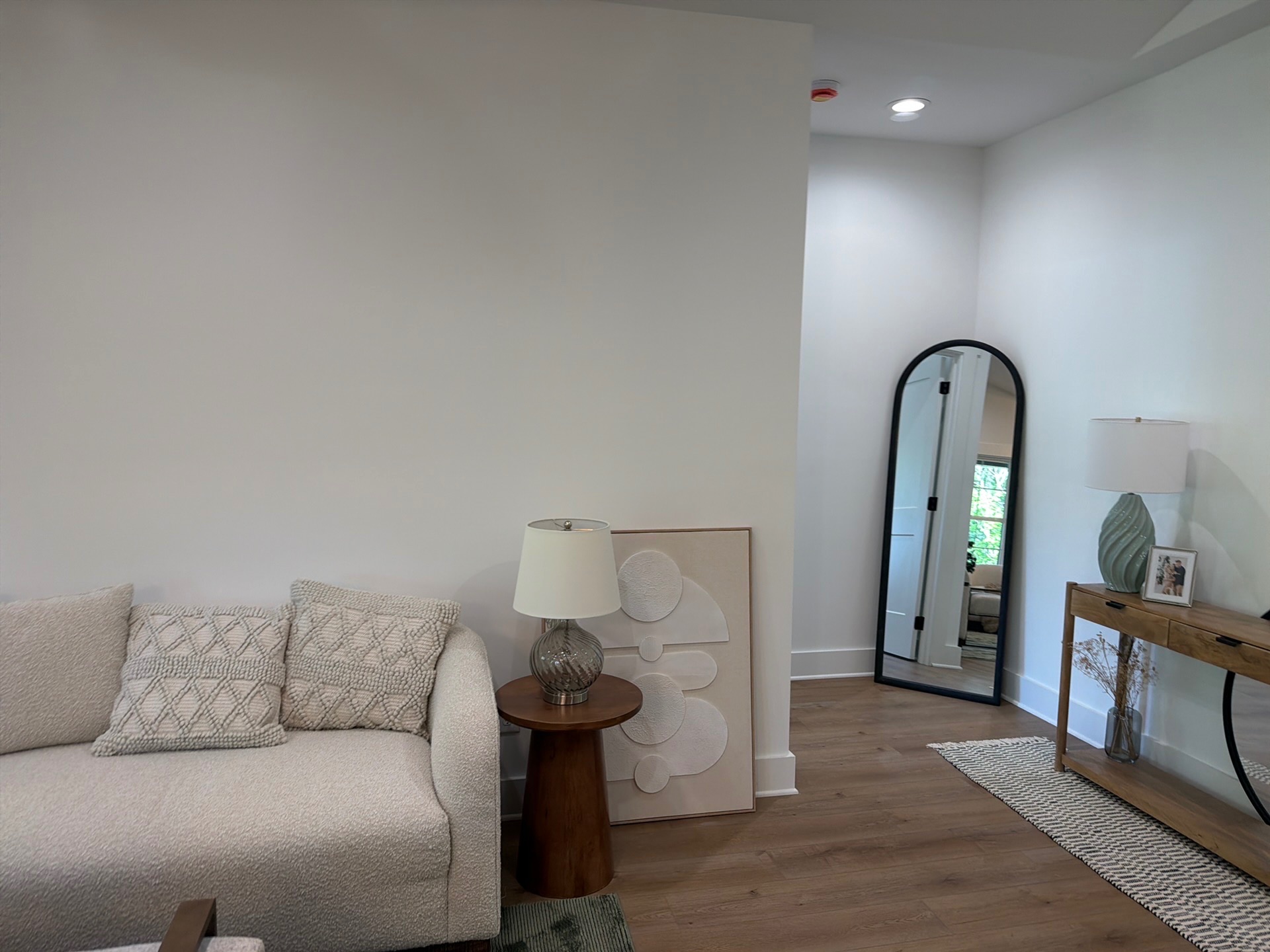
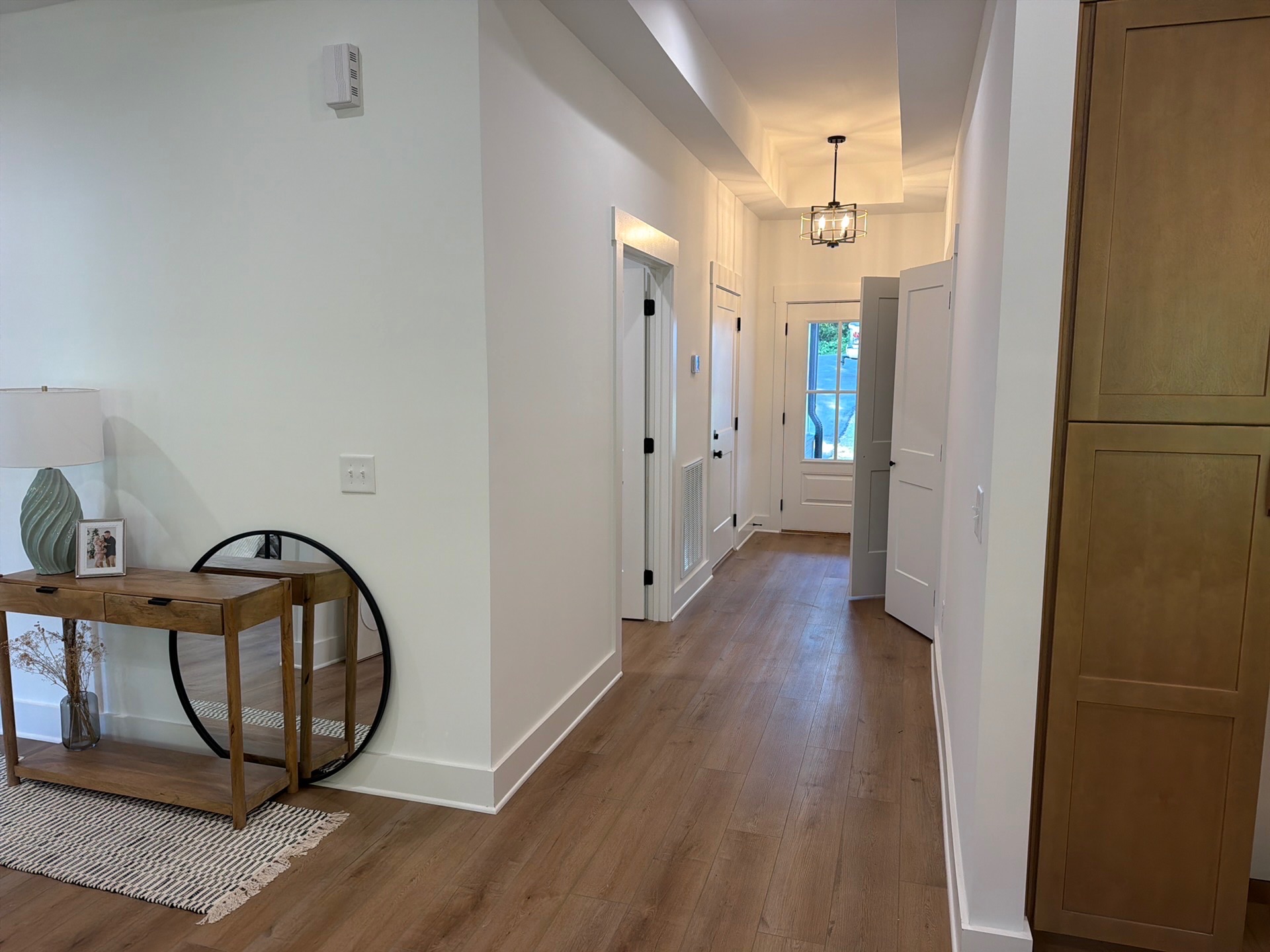
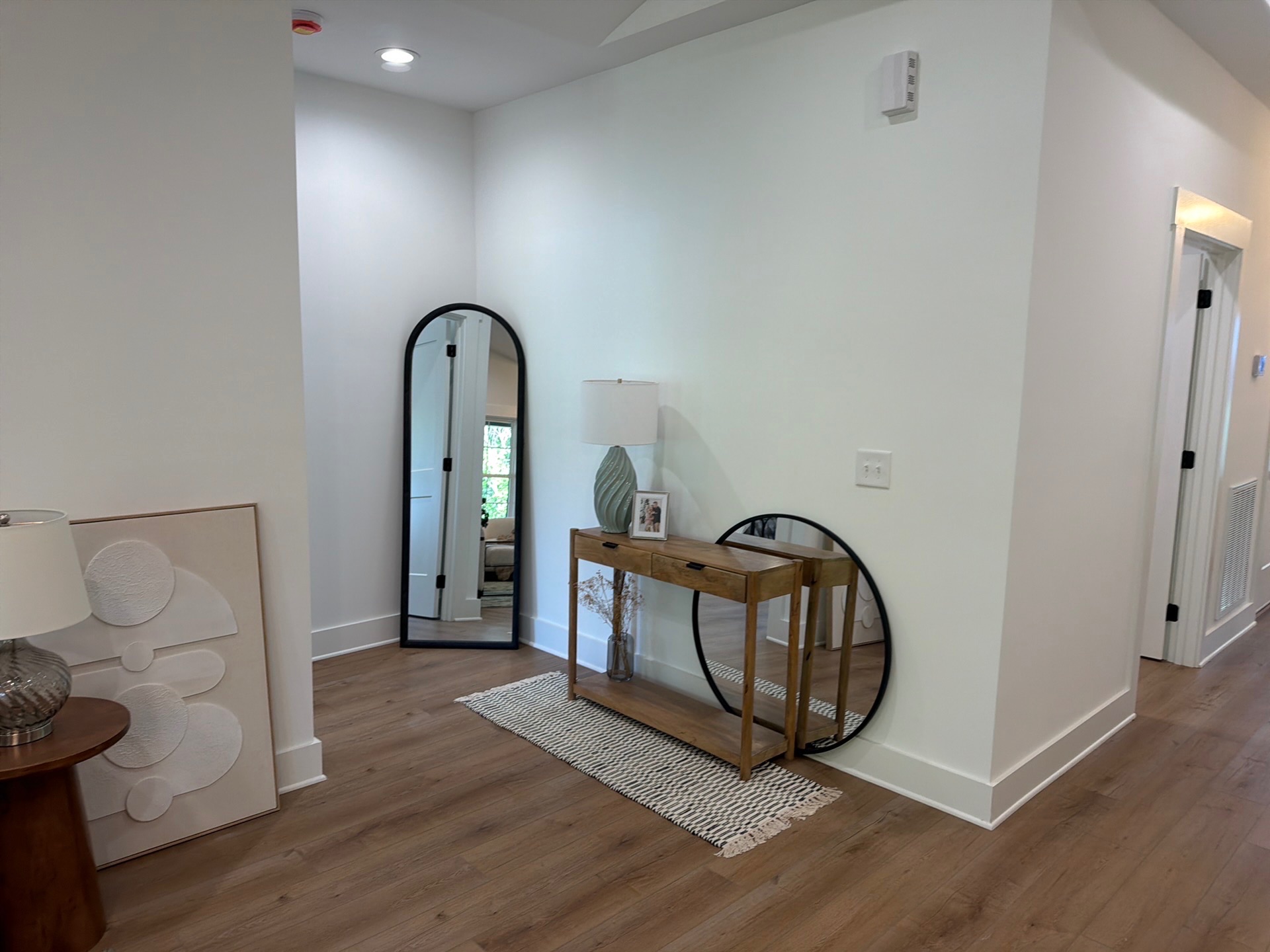
Thank you for allowing us to inspect your new home!
Please read your entire inspection report thoroughly, and let us know if you have any questions.
Quality Home Inspections, LLC performs all residential home inspections in accordance with the Tennessee Home Inspectors Standards of Practice (latest and most current edition) with help and in coordination with standards of practice from the International Association of Certified Home Inspectors (InterNACHI). We can only inspect the readily accessible, visually observable, installed systems and components of the home as designated in these Standards of Practice. When systems or components designated in the Standards of Practice were present but were not inspected, the reason(s) the item was not inspected will be stated. This inspection is neither technically exhaustive nor quantitative. This inspection will not reveal every concern or issue that may be present, but only those significant defects that were visible at the time of inspection. This inspection cannot predict future conditions, or determine if latent or concealed defects are present. The statements made in this report reflect the conditions as existing at the time of Inspection only, and expire at the completion of the inspection. Weather conditions and other changes in conditions may reveal problems that were not present at the time of inspection; including roof leaks, or water infiltration into crawl spaces or basements. This report is only supplemental to the Sellers Disclosure and Pest Inspection Report. Refer to the State of Tennessee Standards of Practice, and the Inspection agreement regarding the scope and limitations of this inspection. This inspection is NOT intended to be considered as a guarantee or warranty, expressed or implied, regarding the conditions of the property, including the items and systems inspected, and it should not be implied or expressed as such. This inspection report should be used alongside the seller’s disclosure, pest inspection report, and quotes and advice from the tradespeople recommended in this report to gain a better understanding of the condition of the home. Some risk is always involved when purchasing a property and unexpected repairs should be anticipated, as this is unfortunately, a part of home ownership.
Notice to Third Parties This report is the property of Quality Home Inspections, LLC and is copyrighted as of 2018 - 2026. The Client(s) and their Real Estate Representative named herein have been named as licensee(s) of this document. This document is non-transferable, in whole or in part, to any and all third-parties, including; subsequent buyers, sellers, and listing agents. Copying and pasting deficiencies to prepare the repair request is permitted, but by only the intended parties. Only the named client of this report has rights to any of the contents included in the report below. This report is governed by an Inspection agreement that contained the scope of the inspection, including limitations, exclusions, and conditions of the copyright.
Definition of Terms
Satisfactory - At the time of inspection the component is functional without observed signs of a substantial defect. Marginal - At the time of inspection the item appeared to be functional, however may be needing repair or maintenance. This section will also include items that may be nearing the end of their serviceable life.
Repair/Replace - At the time of inspection the component may be functioning but is estimated to be nearing end of useful life or in need of maintenance to sustain its operational function. Replacement anticipated or recommended by qualified service professional.
Further Evaluation Required/Recommended - At the time of inspection the component does not function as intended or presents a Safety Hazard. Repair or replacement is recommended by qualified professional. The component requires further technical or invasive evaluation by qualified professional tradesman or service technician to determine the nature of any potential defect, the corrective action and any associated cost.
Key Definitions & Rating System In the inspector's opinion, these items do not affect the integral structure, safety, or livability of the property and should be maintained at the client's discretion. This is considered lower risk (in the inspector's opinion). Item(s) found should be repaired or updated as necessary according to the client's wishes. Items may or may not necessarily pose a risk of injury or damage to the home or its occupants. This is considered a moderate risk due to either the component, estimated repair cost, or general difficulty. Item(s) presents a significant risk to the property or injury hazard. Item(s) should immediately be reviewed or repaired by a qualified contractor. This is considered high risk or importance. Qualified Professional - A person who has education, training, licensure, certification, or experience to make the particular decision at issue as required by federal or state law. Do-It-Yourself - The activity of decorating or repairing your home, or making things for your home yourself, rather than paying someone else to do it for you. Any DIY item listed that an individual is NOT comfortable with attempting their self should contact a qualified professional in their area for assistance.
Contractors / Further Evaluation - Any recommendation for a qualified contractor or further evaluation implies a qualified professional. Failed During Normal Operation - Occasionally, installed components will fail during the inspection. While this is rare, it does and can happen. Quality Home Inspections LLC, its affiliates or inspectors will not assume any liability on components that fail during normal operation using normal operating controls.
Scope of Inspection The scope of the inspection is strictly limited as set forth in this Agreement. The parties understand and agree that this inspection will be of readily accessible areas of the building and is limited to visual observations of apparent conditions existing at the time of the inspection only. Latent and concealed defects and deficiencies, including but not limited to, basement flooding, basement seepage and roof leakage, are excluded from this inspection. The parties agree that the Standards of Practice as promulgated by the Tennessee Commissioner of Commerce and Insurance, Chapter 0780-5-12-.10, most current edition, shall define the standard of duty and the conditions, limitations, and exclusions of the inspection and are incorporated by reference herein. Copies of these standards are available upon request. Items Not Inspected The inspection and report exclude and do not cover those items indicated as untested or not inspected or the possible presence of or danger from any potentially harmful substances and environmental hazards including, but not limited to, the following items: asbestos; lead paint; radon; formaldehyde; toxic and flammable materials; soil contamination; pesticides; mercury; carbon monoxide; water testing; termites, cockroaches, rodents or other pest infestation; mold; fungus; water softener and filter system; sprinkler systems; central vacuum systems; telephone systems; intercom systems; security systems; antennas; cable television; doorbells; appliances; playground equipment; swimming pools and pool equipment; spas; energy efficiency measurements; recreational equipment; recreational facilities (boat docks and tennis courts); landscaping; treated lumber; subterranean systems or components, including sewage disposal, water supply, underground storage tanks; underground drainage; fuel storage or delivery; irrigation; outdoor grills; low voltage exterior lighting; remote overhead door transmitters and receivers; concealed or underground electric and plumbing; systems which are shut down or otherwise secured; private sewer systems; water wells; chimney draft; heating system accessories; solar heating systems; zoning or other ordinances; and building code conformity. All items indicated as being excluded in the Standards of Practice are also excluded herein, CLIENT understands that these systems and conditions and information about them are excluded from this Inspection and Report. Any general comments which may appear about these systems and conditions are provided as a courtesy only and DO NOT represent or form a part of the Inspection. It is the responsibility of the CLIENT to ensure that any and all utilities associated with the property are to be on during the time of the inspection. COMPANY and its inspectors assume no liability for deficiencies missed due to no available utilities. Areas of inaccessibility or non-visible areas may contain damage or defects that can not be reported appropriately. The inspector/company cannot be held liable for any defects unreported that cannot be readily seen. Grammatical Misspelling: This report is often generated on a mobile device such as a smart phone or smart tablet. Typical grammatical errors may be present.

| # | Section | Deficiency | Severity |
|---|---|---|---|
| 1 | Site — Walkways | Cracking/Settlement | Maintenance Item |
| 2 | Site — Walkways | Railing - Missing | Recommendation |
| 3 | Site — Driveway | Cracks: Common or < 1/4" | Maintenance Item |
| 4 | Roofing — Coverings & Conditions | Discoloration | Maintenance Item |
| 5 | Roofing — Coverings & Conditions | Algae Growth | Maintenance Item |
| 6 | Roofing — Coverings & Conditions | Granular Loss - Moderate | Recommendation |
| 7 | Roofing — Roof Drainage Systems (Gutters & Downspouts) | Gutter Discharges On Ground and Slopes Toward Deck/Home | Recommendation |
| 8 | Roofing — Roof Drainage Systems (Gutters & Downspouts) | Debris | Maintenance Item |
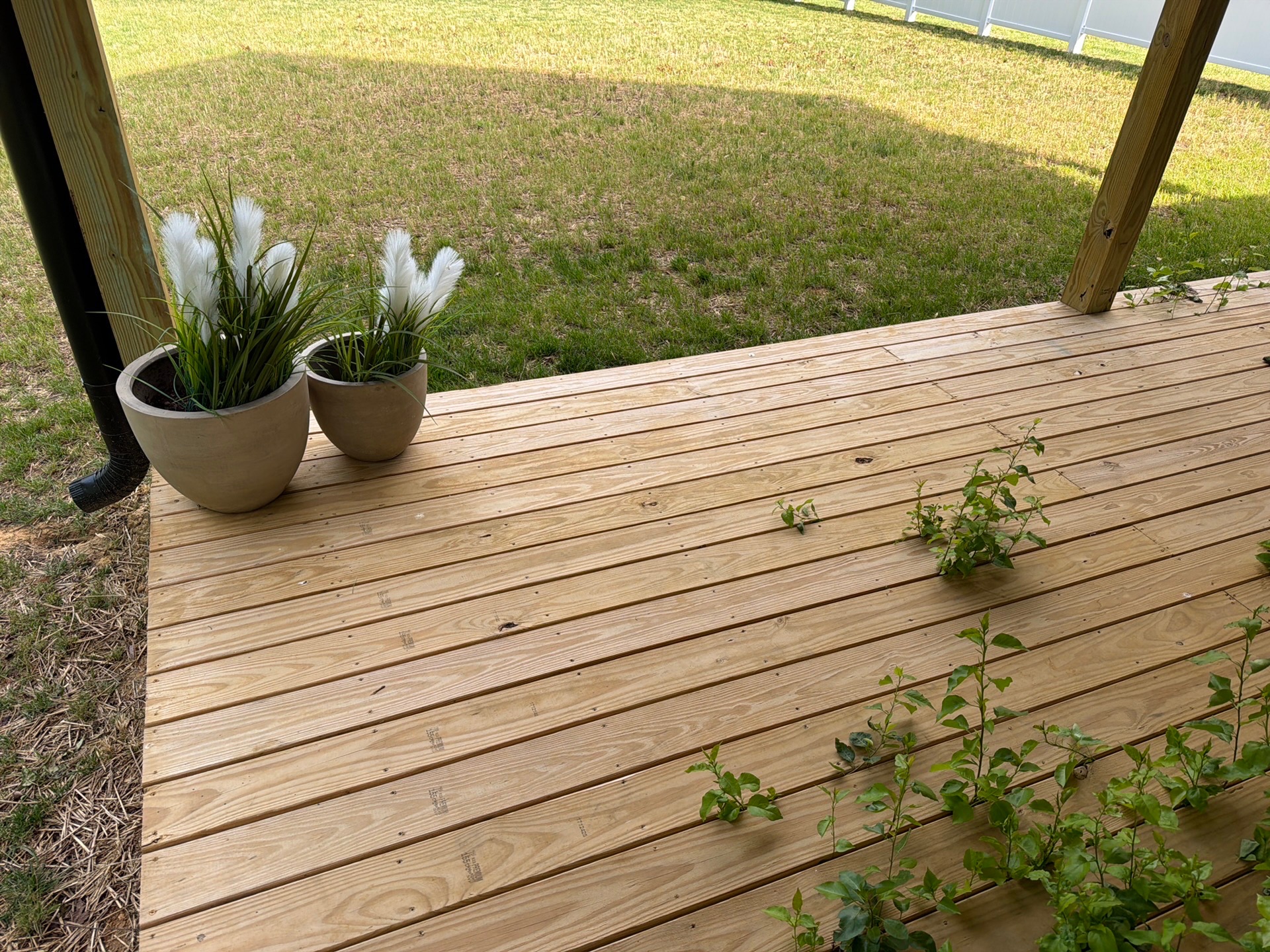
| 9 | Deck, Balconies, and Porches — Porches, Decks, Balconies, and Patios | Vegetation Growing Through Deck Planks | Maintenance Item |
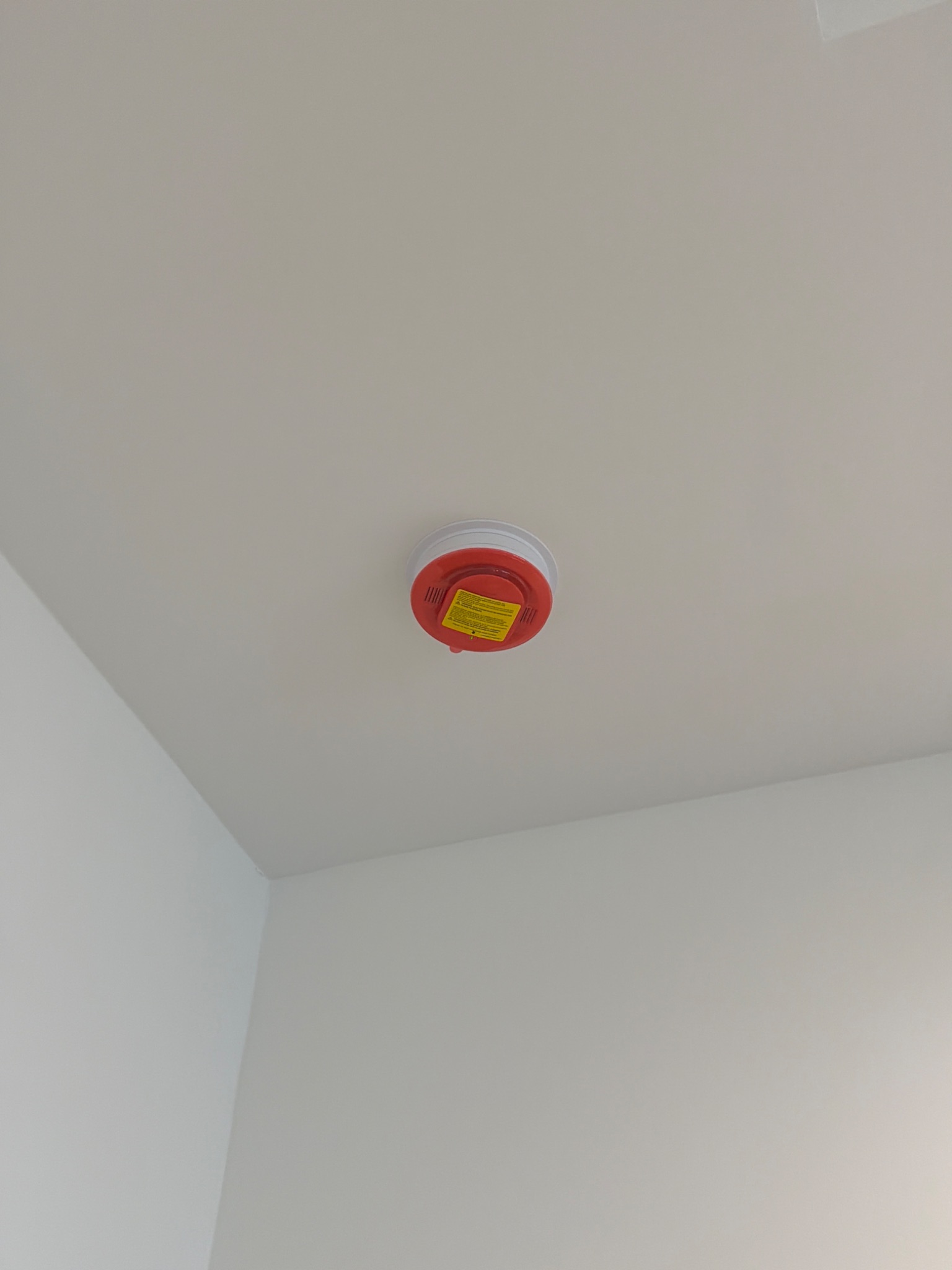
| 10 | Electrical — Smoke Detectors | Dust Cover | Maintenance Item |
| 11 | Electrical — Electrical Deficiencies | Ballast Light Missing Cover | Maintenance Item |
| 12 | Exterior — Exterior Doors | Exterior Sealing | Maintenance Item |
| 13 | Exterior — Exterior Deficiencies | Additional Water Sealant at Penetrations Recommended | Maintenance Item |
| 14 | Exterior — Exterior Deficiencies | Additional Silicone Sealant Needed | Maintenance Item |
| 15 | Exterior — Exterior Deficiencies | Additional Silicone Recommended | Maintenance Item |
| 16 | Exterior — Exterior Deficiencies | Additional Silicone Sealant Recommended | Maintenance Item |
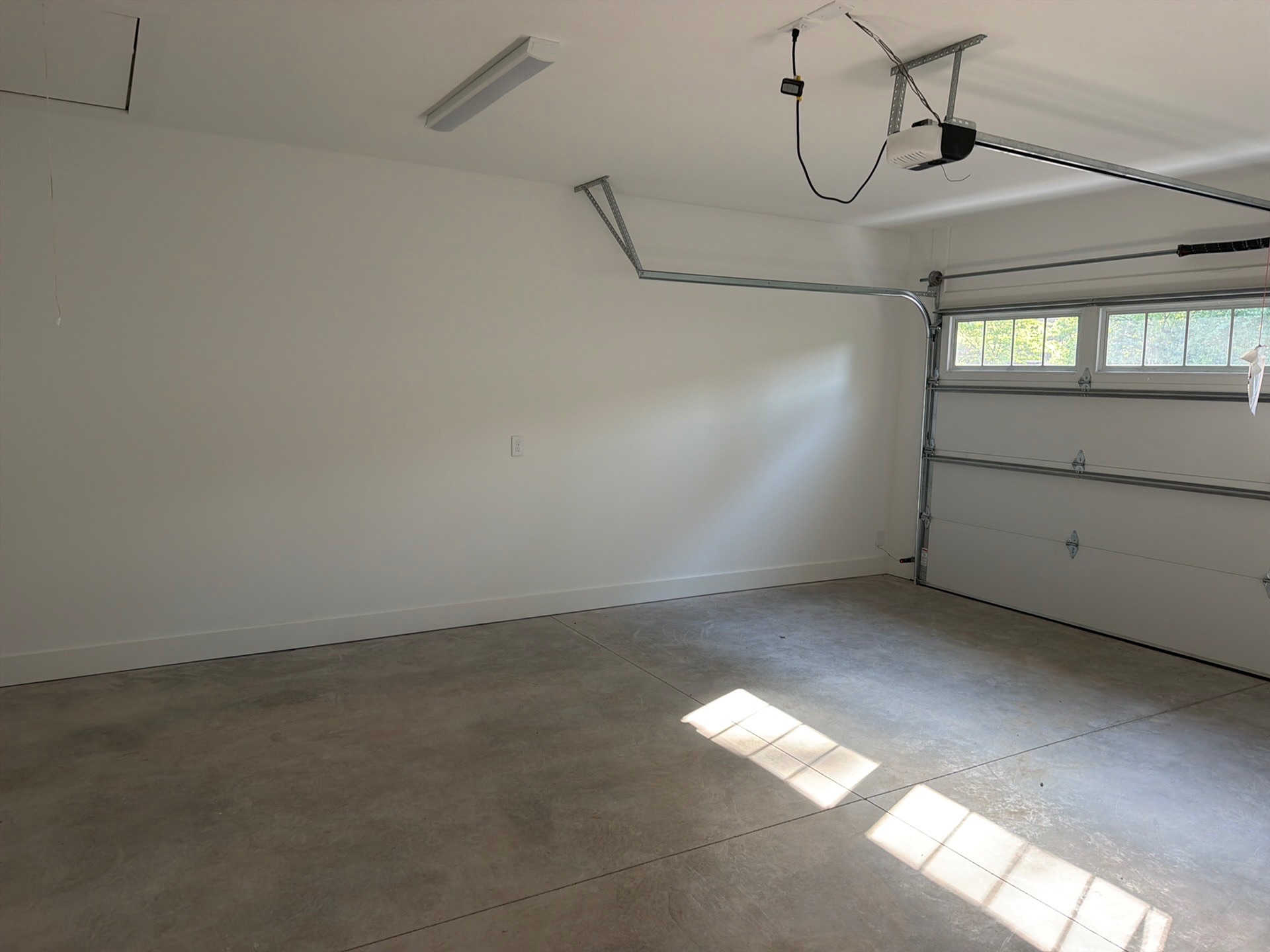
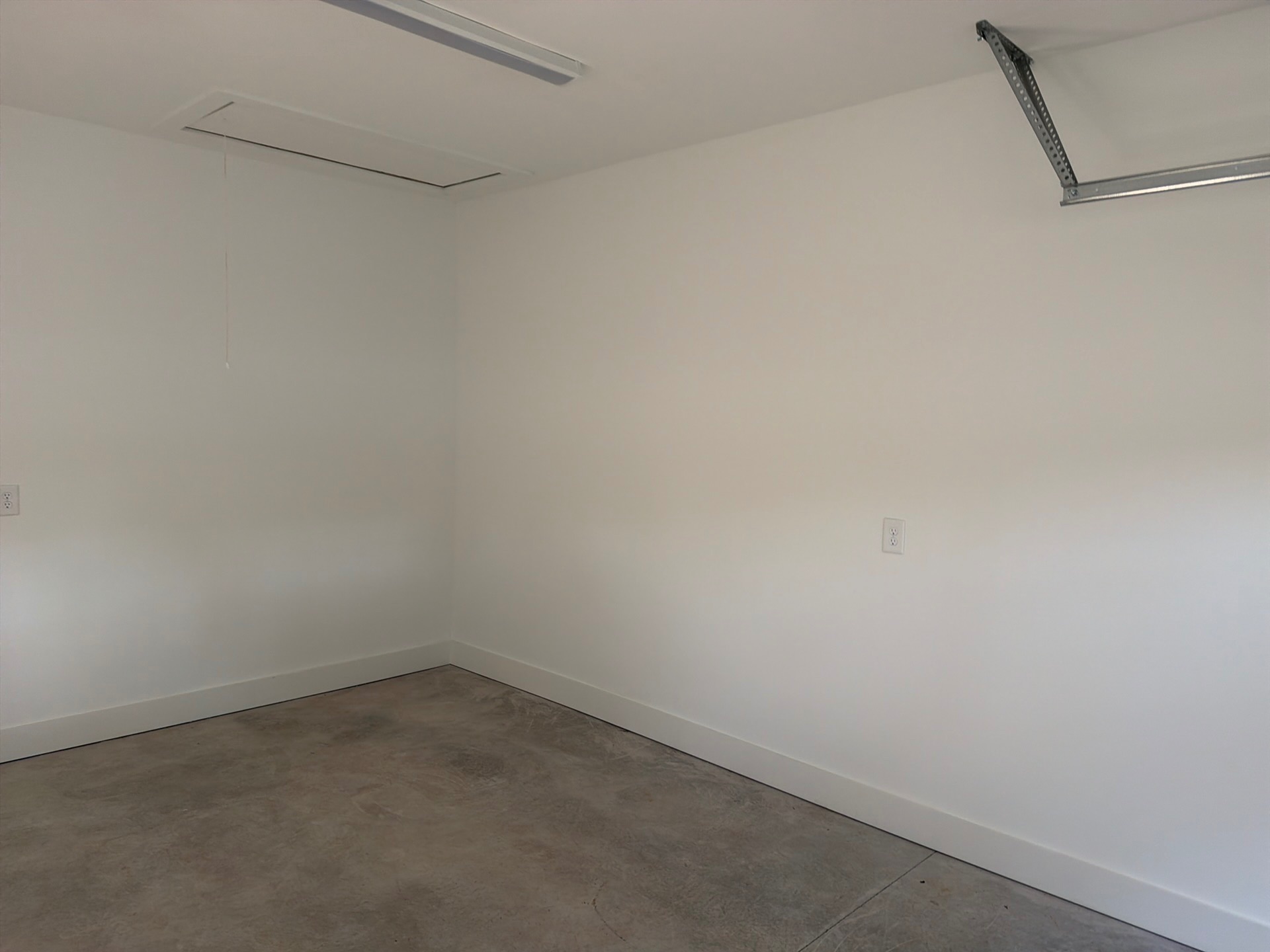
| 17 | Garage — Garage Type | Cracks: Shrinkage | Maintenance Item |
| 18 | Interiors — Interior deficiencies | Electrical Faceplate Doesn’t Fully Cover Drywall Hole Around Receptacle | Maintenance Item |
| 19 | Interiors — Interior deficiencies | Recessed Light Fixture Not Flush | Maintenance Item |
| 20 | Laundry — Laundry Hookups | Drain Knockout Not Removed | Maintenance Item |

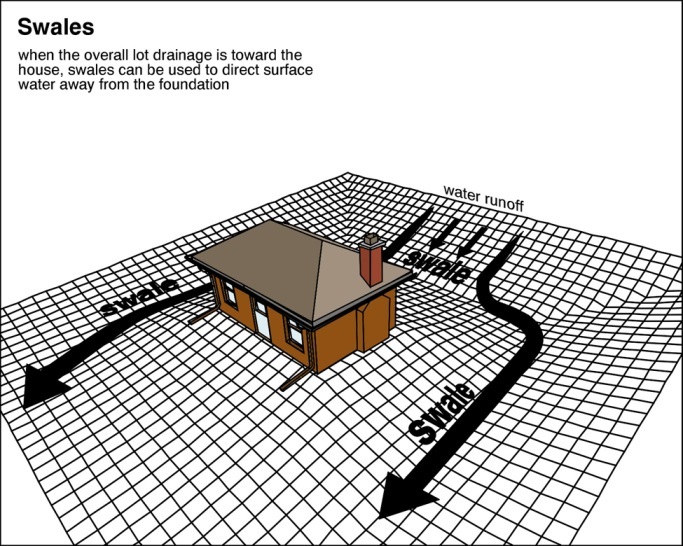
Example of proper site drainage
During the inspection of the property, cracking and settlement were observed on the walkway leading to the home. The walkway appeared to have significant cracks and the surface was uneven in certain areas, indicating that the walkway is in need of repair.Upon further examination, it was determined that the cracking and settlement were likely caused by a combination of factors, such as: Poor soil compaction: If the soil underneath the walkway is not properly compacted, it can settle over time, causing the walkway to crack and become uneven. Improper installation: If the walkway was not installed on a stable base, it can settle over time and crack. Weather: Extreme temperatures can cause the concrete to expand and contract, resulting in cracking. Aging and wear and tear: Over time, walkways can become worn and damaged, resulting in cracking and settlement. It is important to note that cracked and settling walkways can pose a safety hazard and can also cause damage to the property. Additionally, it can affect the curb appeal of the property and the value of the property.It is recommended that the homeowner hires a professional contractor to assess the extent of the cracking and settlement and recommend the appropriate repairs. The repairs may include filling in cracks, leveling, or even complete replacement of the walkway.
During the inspection, it was noted that the property lacks railing on the exterior walkways (usually when 4 or more steps are present). Railings are an important safety feature that provide support and stability for pedestrians, helping to prevent falls and accidents. They are especially important for individuals who may have difficulty maintaining their balance, such as older adults, children, or those with mobility impairments.Exterior walkways can be elevated, sloped, or have steps and these can be a trip hazard. The railing provide support and stability to people using the walkway. A railing can also serve as a visual cue, alerting individuals to the presence of a change in elevation.Additionally, railings can also serve an aesthetic purpose, complementing the overall design of the property and adding curb appeal.It is important for homeowners to ensure that their property has adequate railing on exterior walkways to provide safety and stability for all individuals using the walkway.
Cracks in a driveway smaller than 1/4" may not pose an immediate safety hazard, but they can still indicate potential issues with the foundation or soil beneath the driveway. Over time, these small cracks can expand and become larger, potentially leading to further damage or even failure of the driveway. It is recommended to have a professional inspect the driveway and address any cracks, regardless of size, to prevent further deterioration and potential costly repairs in the future.
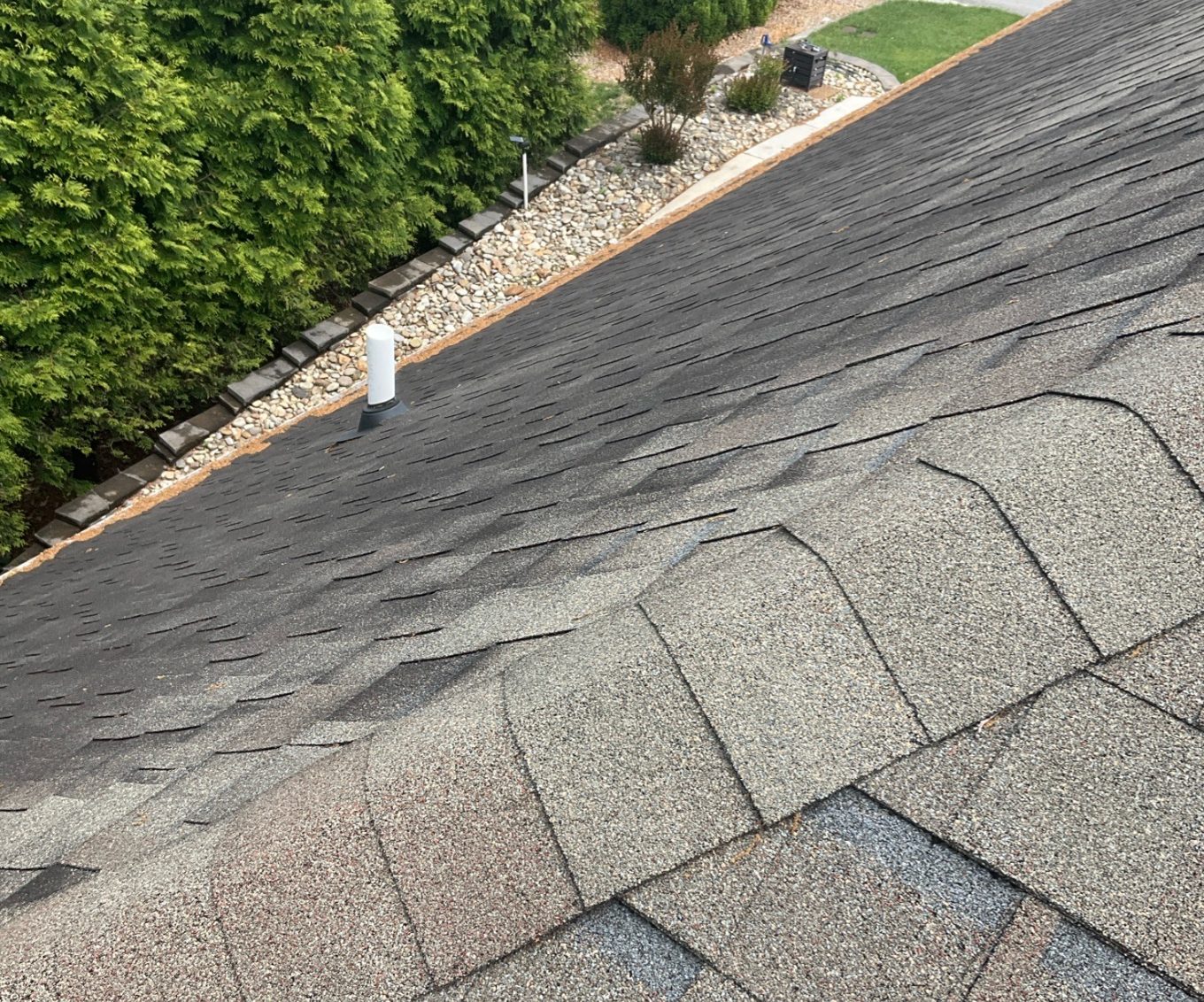
During the home inspection, discoloration of the roofing materials was observed. Discoloration of the roofing materials can be caused by a number of factors, such as exposure to the elements, age, and the type of roofing material used. Some types of roofing materials are more susceptible to discoloration than others. Discoloration can also be caused by algae growth, which can be more prevalent in certain geographic areas. Algae growth on roofing materials can be unsightly and can also affect the integrity of the roof over time. It is recommended that the homeowner have a roofing professional evaluate the discoloration and make any necessary repairs to address the underlying problem and restore the appearance of the roof. Here is a cool article on roof staining: https://lhkruegerandson.com/roofing/roof-stains/

During the inspection, the roof was found to have algae growth present on the shingles. Algae growth can cause discoloration on the roof, but it does not typically affect the structural integrity of the roof. However, if left untreated, it can lead to staining and streaks on the roof, which can be unsightly. The homeowner should consider having a professional clean the roof to remove the algae growth and prevent it from returning in the future. It is important to note that this is a common issue in humid climates and proper maintenance can help prevent algae growth.
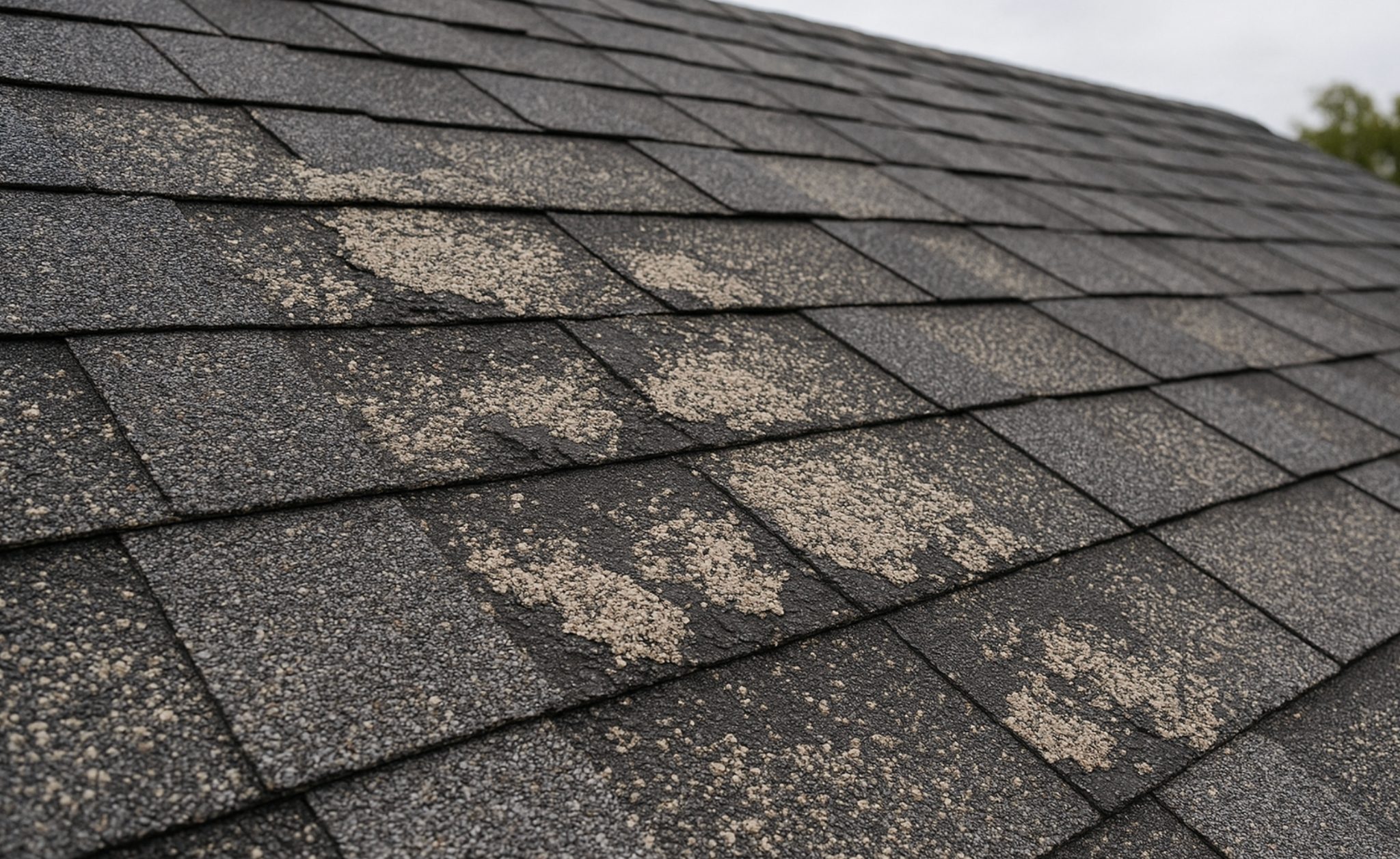
During the inspection, it was noted that the roofing shingles on the property exhibited moderate granular loss. This is characterized by the loss of the small granules that are embedded on the surface of the shingles, and is often caused by exposure to the elements over time. This type of damage can lead to premature aging of the shingles, and can also make the roof more susceptible to leaks. It is recommended that the homeowner have a professional roofing contractor assess the condition of the shingles and determine if any repairs or replacement is needed.

Evidence of improperly directed gutter discharges was noted, with water flowing directly onto the ground and sloping toward the deck and home. This configuration can result in water accumulation near the foundation, potentially leading to structural damage and increased risk of water intrusion. Immediate correction by a licensed contractor is recommended to ensure proper drainage and to mitigate future risks. Routine maintenance and monitoring of the gutter system should also be performed to maintain optimal function.
During the inspection of the property, it was observed that the gutters had small accumulations of debris, including leaves, twigs, and dirt. This type of accumulation can cause several problems for the property.First, clogged gutters can prevent water from flowing through the system properly, causing it to overflow and potentially damage the exterior of the house. This overflow can also seep into the foundation of the house, leading to leaks and potential structural damage. This can cause water damage to walls, ceilings, insulation, and even electrical systems.Another problem with clogged gutters is that the debris can become a breeding ground for pests such as insects and rodents. These pests can cause damage to the gutters and can also enter the house, causing additional problems.It is important to note that the gutters and downspouts should be cleaned regularly, depending on the surrounding environment and the number of trees near the property. In areas with a lot of trees, gutters may need to be cleaned as often as twice a year, while in other areas, cleaning once a year may be sufficient.It is recommended that the gutters and downspouts be cleaned as soon as possible to prevent any further damage to the property. It is also recommended to hire a professional to do the cleaning to ensure that the job is done properly and safely.Regular cleaning of gutters also prevents pests and rodents from nesting, and ensure that water flows effectively through the gutters and downspouts, which prevents water from overflowing, and erosion caused by water overflowing and flowing down the walls of the building.Here is a DIY resource for cleaning your gutters.


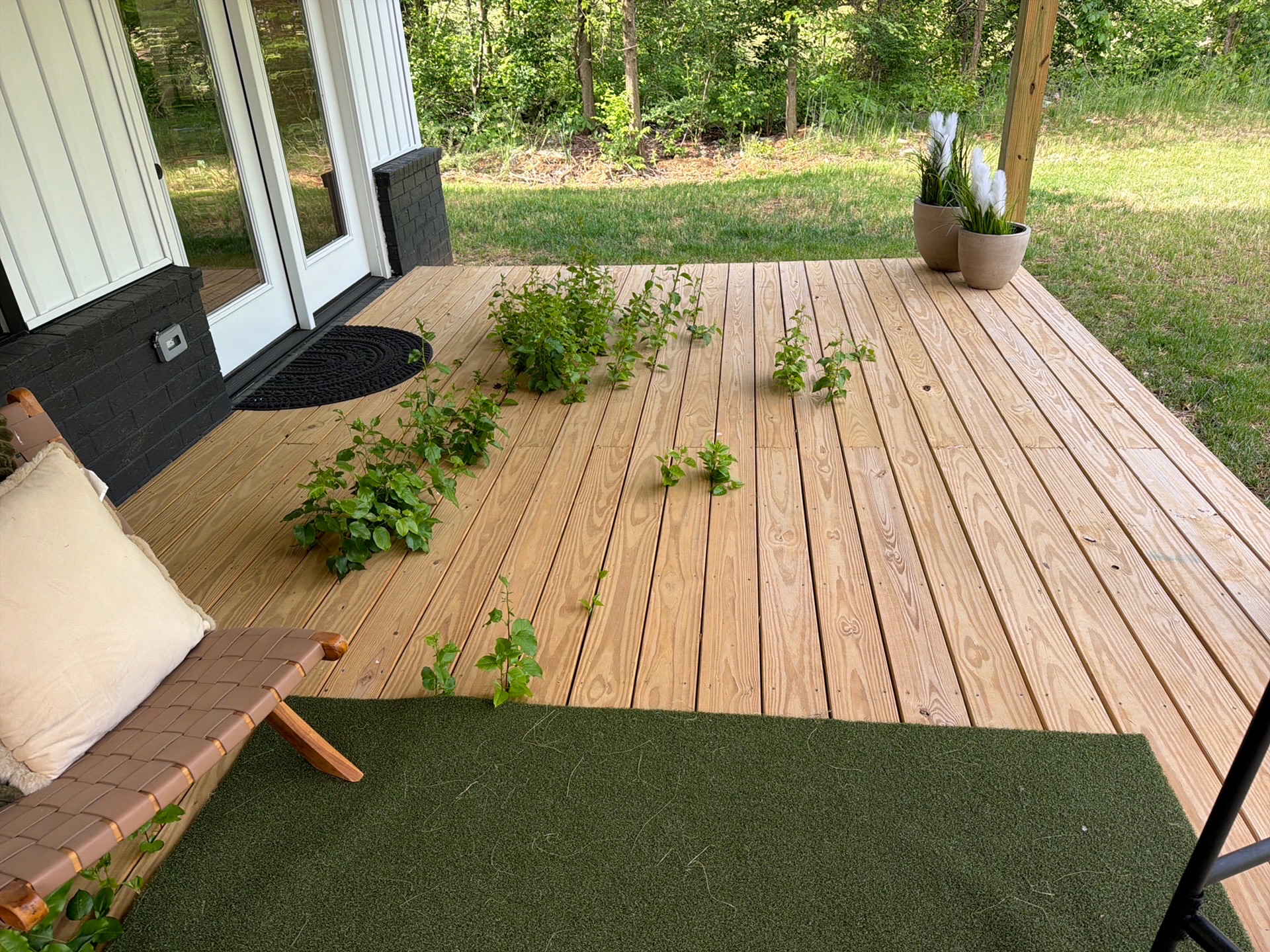
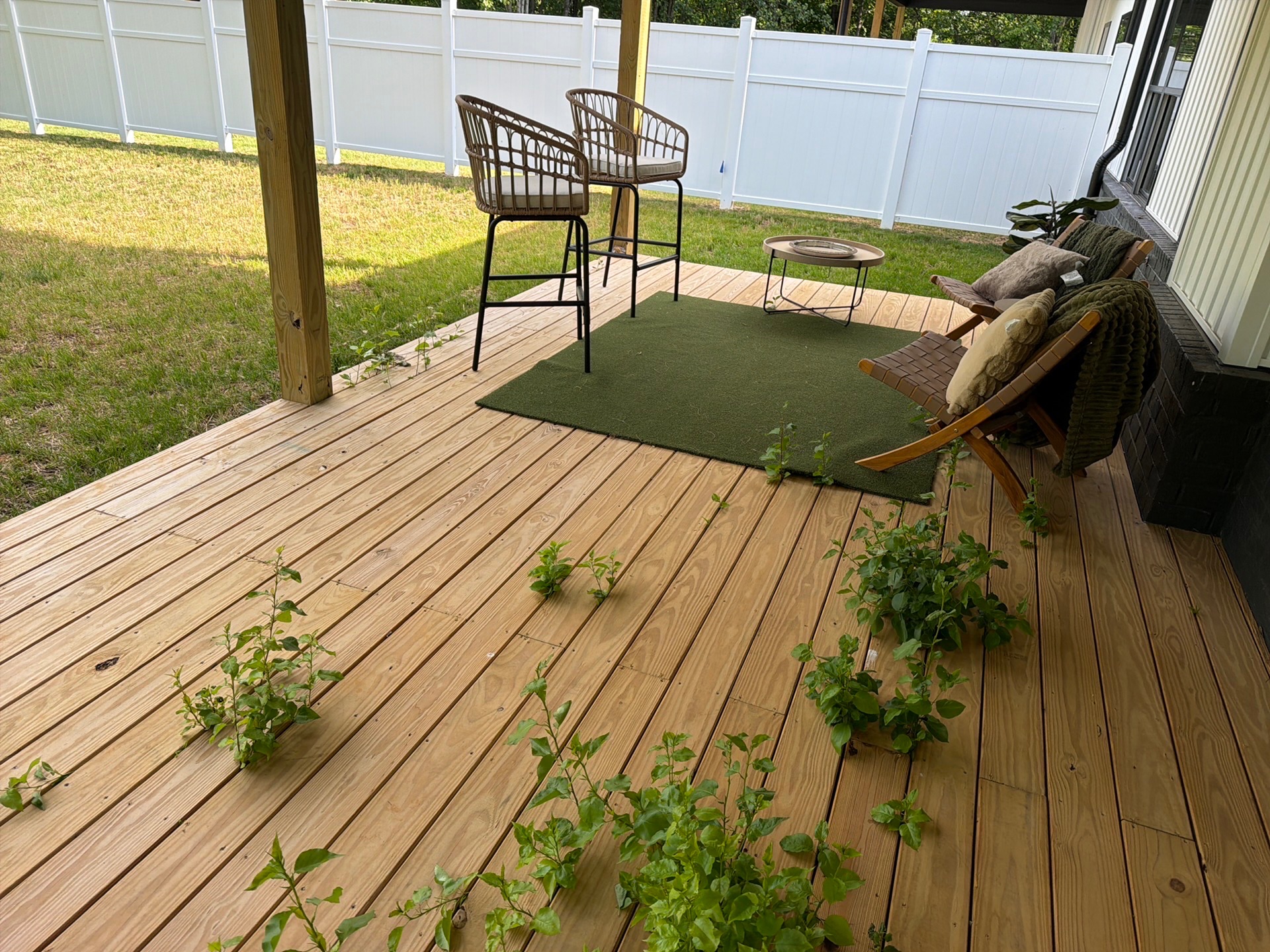
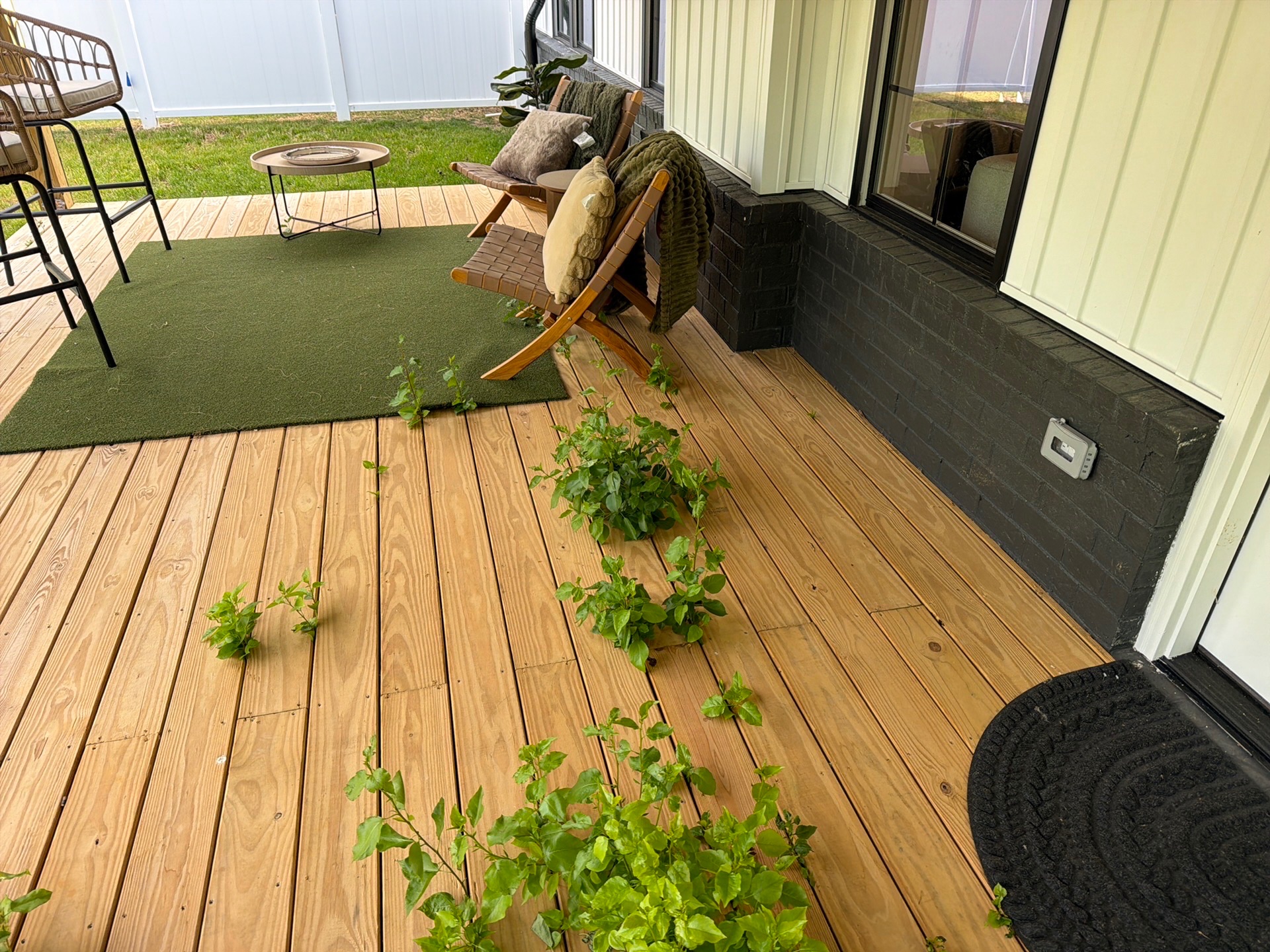
Evidence of vegetation growing through the deck planks was observed, indicating potential moisture retention and deterioration of the wood structure. This condition can compromise the integrity of the deck and may lead to further damages if not addressed promptly. Recommend immediate correction by a qualified contractor to remove the vegetation and assess for any underlying damage, along with routine maintenance to prevent future growth.


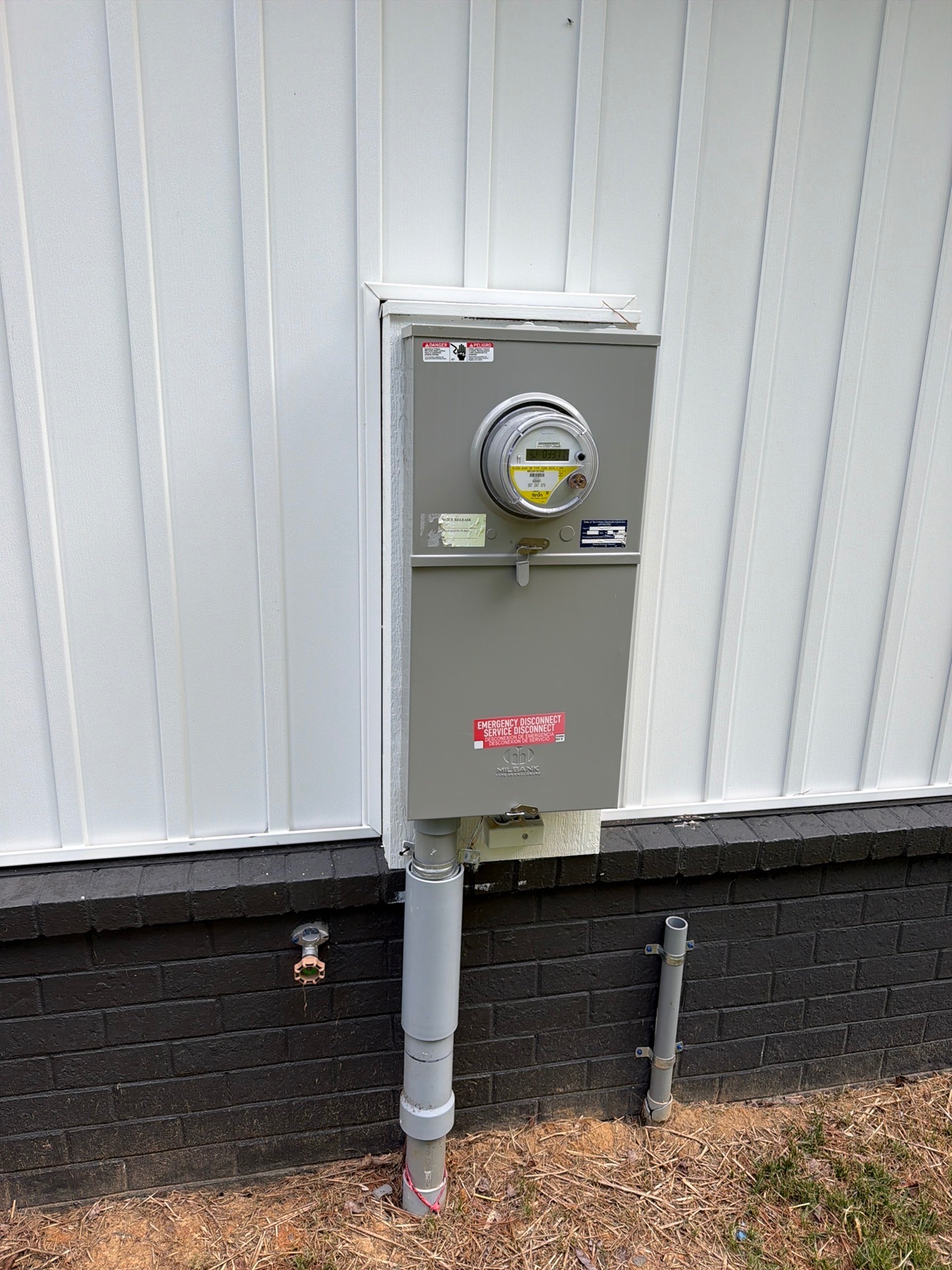
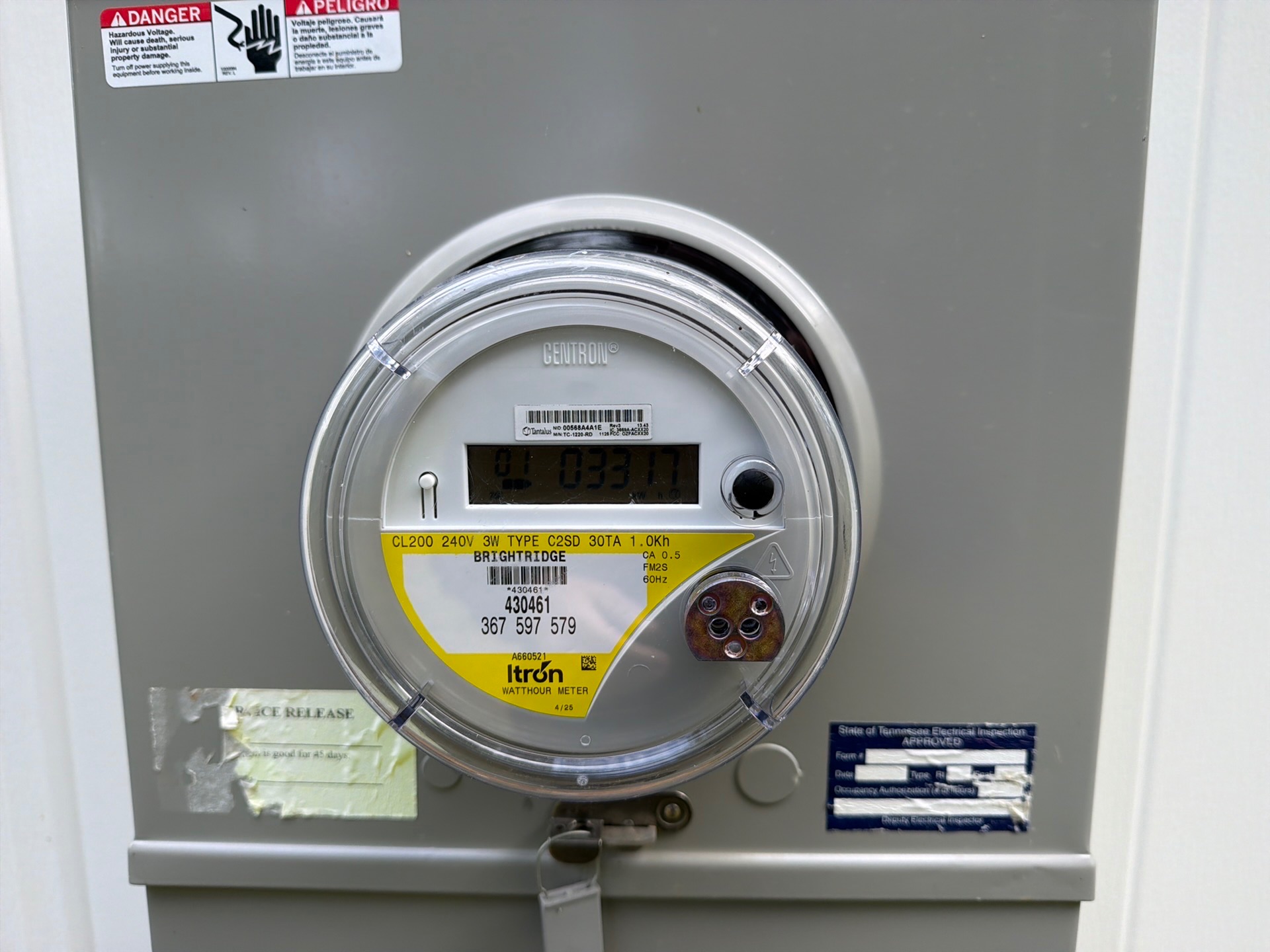
The inspector can not inspect hidden wiring or verify if the number of outlets is per the National Electric Code. A representative number of outlets, switches and fixtures are tested for operation. Inspector will not remove outlet face-plates or fixtures as this exceeds the standards of practice. The electrical inspection is a limited visual inspection only. Questions or estimates referring to the replacement, repair, or evaluation of the home's electrical structure should always be consulted by a qualified electrician. We are not electricians and in accordance with the standards of practice, we only test a representative number of switches and outlets and do not perform load-calculations to determine if the supply meets the demand. However, every electrical deficiency or recommended upgrade should be regarded as a latent hazard that should be serviced as soon as possible, along with evaluation and certification of the entire system as safe by a licensed contractor. Therefore, it is essential that any recommendations that we may make for service or upgrades should be completed before the close of escrow, because an electrician could reveal additional deficiencies or recommend additional upgrades for which we disclaim any responsibility. Any electrical repairs or upgrades should be made by a licensed electrician. Aluminum wiring requires periodic inspection and maintenance by a licensed electrician. Operation of time clock motors is not verified. Inoperative light fixtures often lack bulbs or have dead bulbs installed. The inspector is not required to insert any tool, probe, or testing device inside the panels, test or operate any over-current device except for ground fault interrupters, nor dismantle any electrical device or control other than to remove the covers of the main and auxiliary distribution panels. The inspector is not required to inspect or operate exterior accent lighting. Any ancillary wiring or system that is not part of the primary electrical distribution system is not part of this inspection but may be mentioned for informational purposes only, including but not limited to low voltage systems, security system devices, heat detectors, carbon monoxide detectors, telephone, security, cable TV, intercoms, and built in vacuum equipment.


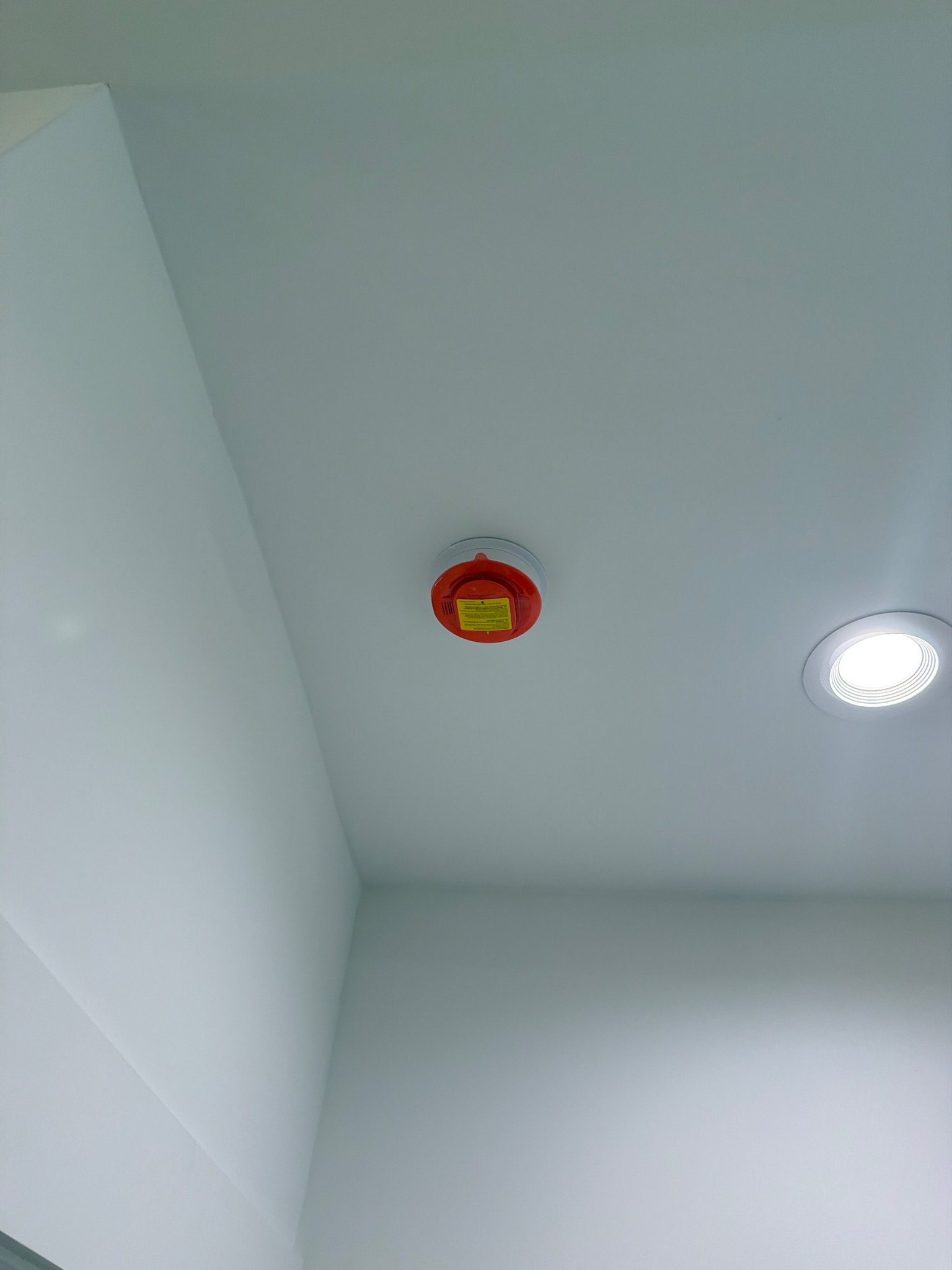
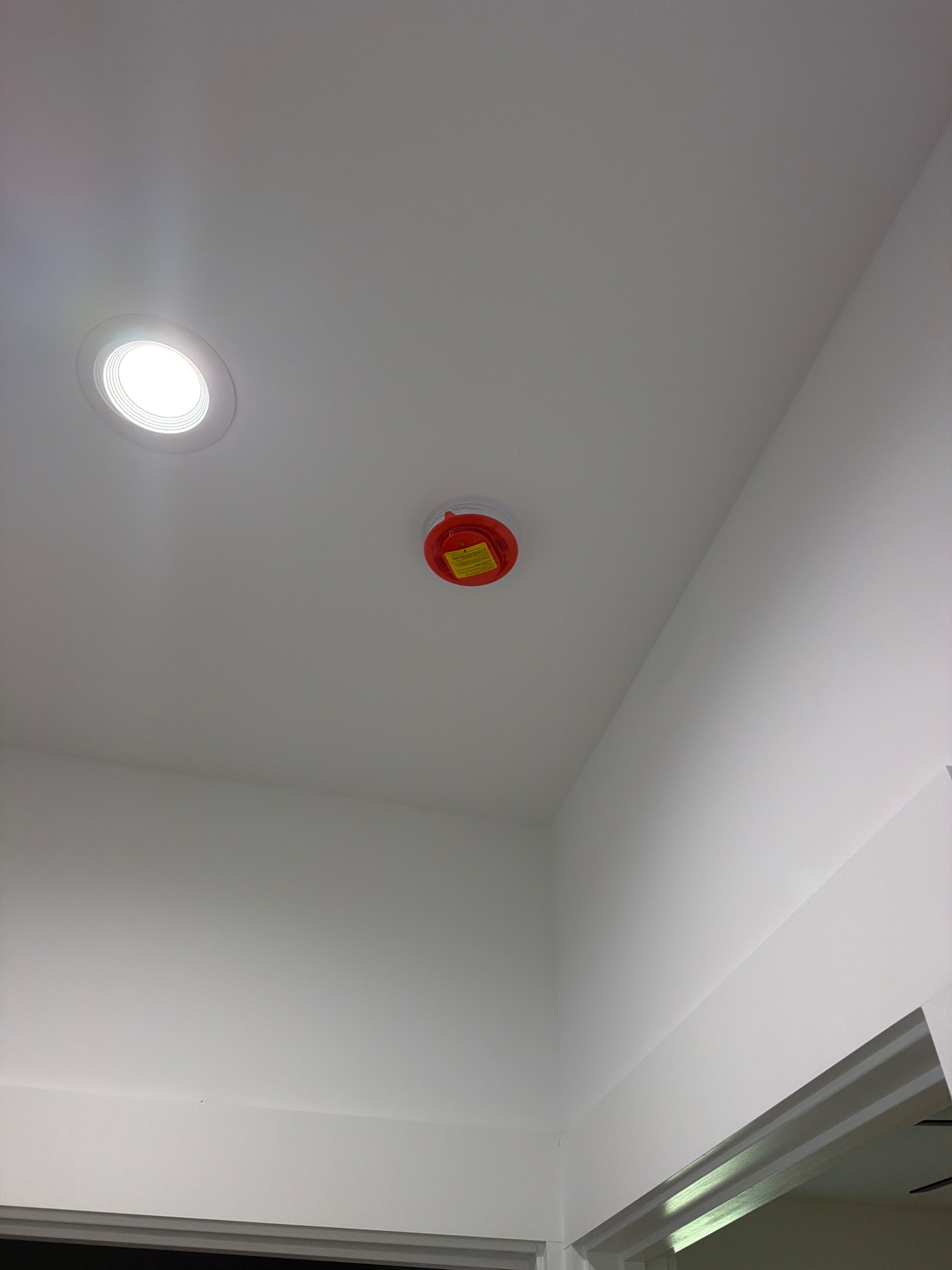
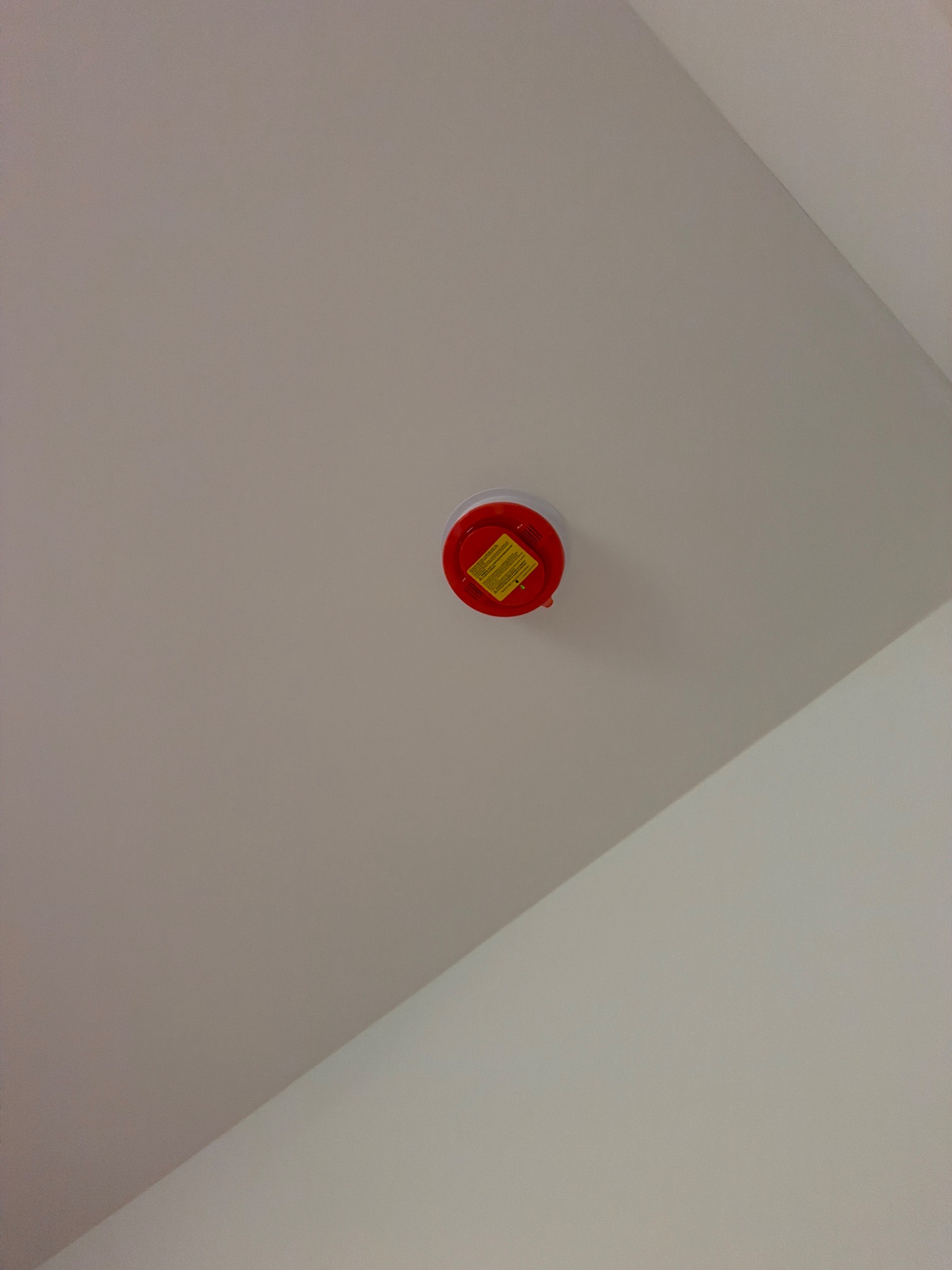
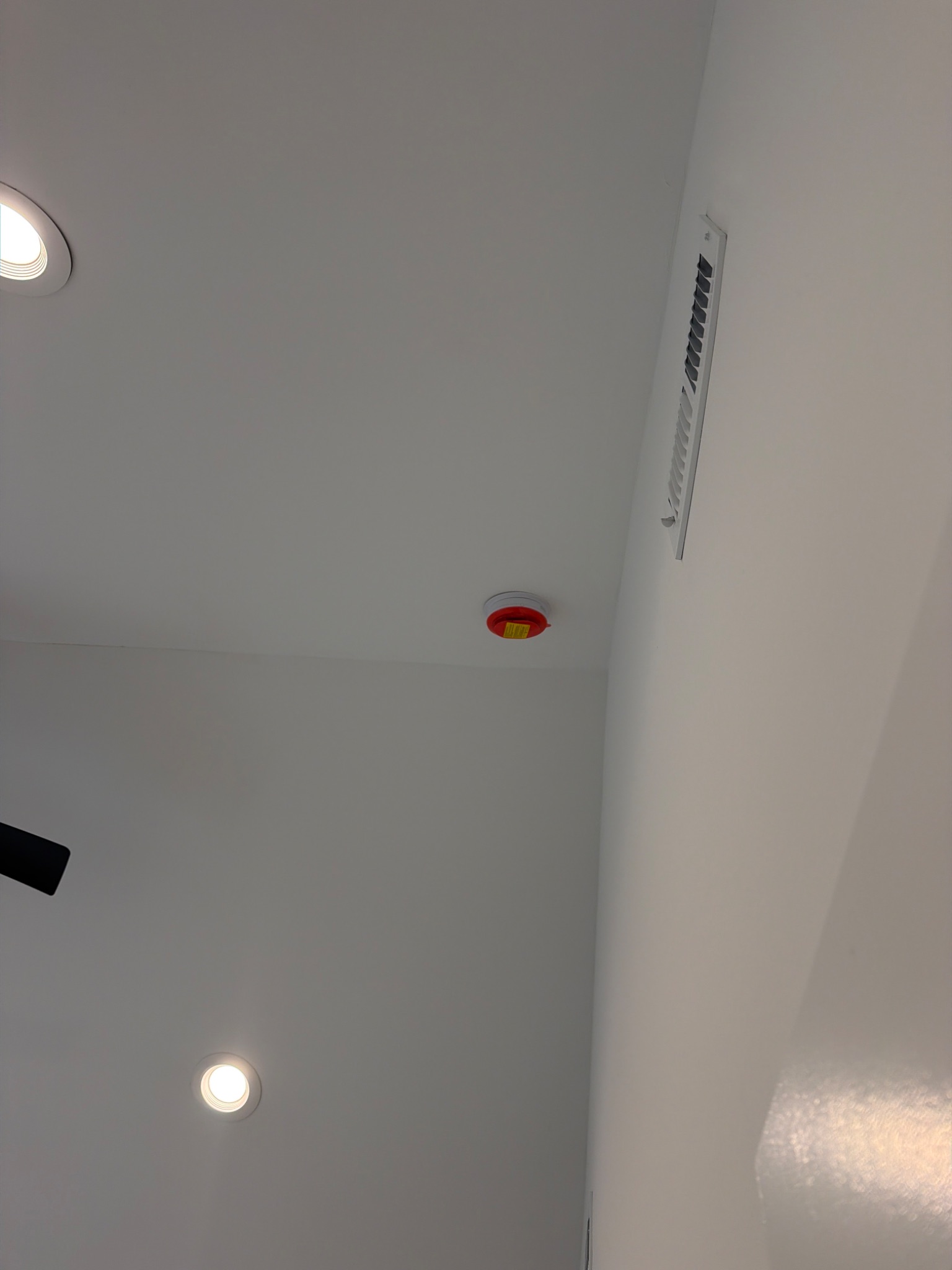
It was observed during the inspection that the dust cover was not removed before occupying the home.Covering them with dust inhibits their ability to detect smoke and triggers false alarms, rendering them ineffective in providing timely warnings in the event of a fire. The inspector removed the cover for the safety of the homeowner but wanted make them aware.


Evidence of a missing cover on the ballast light was noted during the inspection. This deficiency poses a potential safety hazard, as it can lead to exposure of electrical components and increase the risk of electrical shock or fire. Immediate correction by a qualified contractor is recommended to ensure safe operation and compliance with electrical standards. Routine monitoring is also advised to prevent future issues.
Keeping vulnerable areas painted and caulked with polyurethane caulk will prevent wood rot. The only correct way to repair exterior wood rot is to replace the affected area.
It is important to seal exterior doors to prevent drafts and leaks, which can lead to energy loss and increased heating and cooling costs. Sealing the doors also helps to prevent moisture infiltration and potential damage to the door and surrounding structure. Additionally, properly sealing exterior doors can also help to improve security by preventing unwanted intrusions. In order to maintain the integrity of the seal, it is important to regularly check and reapply sealant as needed.
Evidence of inadequate water sealant at various penetration points was observed on the exterior of the structure. This deficiency may allow for water intrusion, potentially leading to damage within the building envelope. It is recommended that these areas be evaluated and corrected by a qualified contractor to ensure proper sealing and to prevent future maintenance issues. Regular monitoring of these sealants is also advised to maintain their integrity over time.


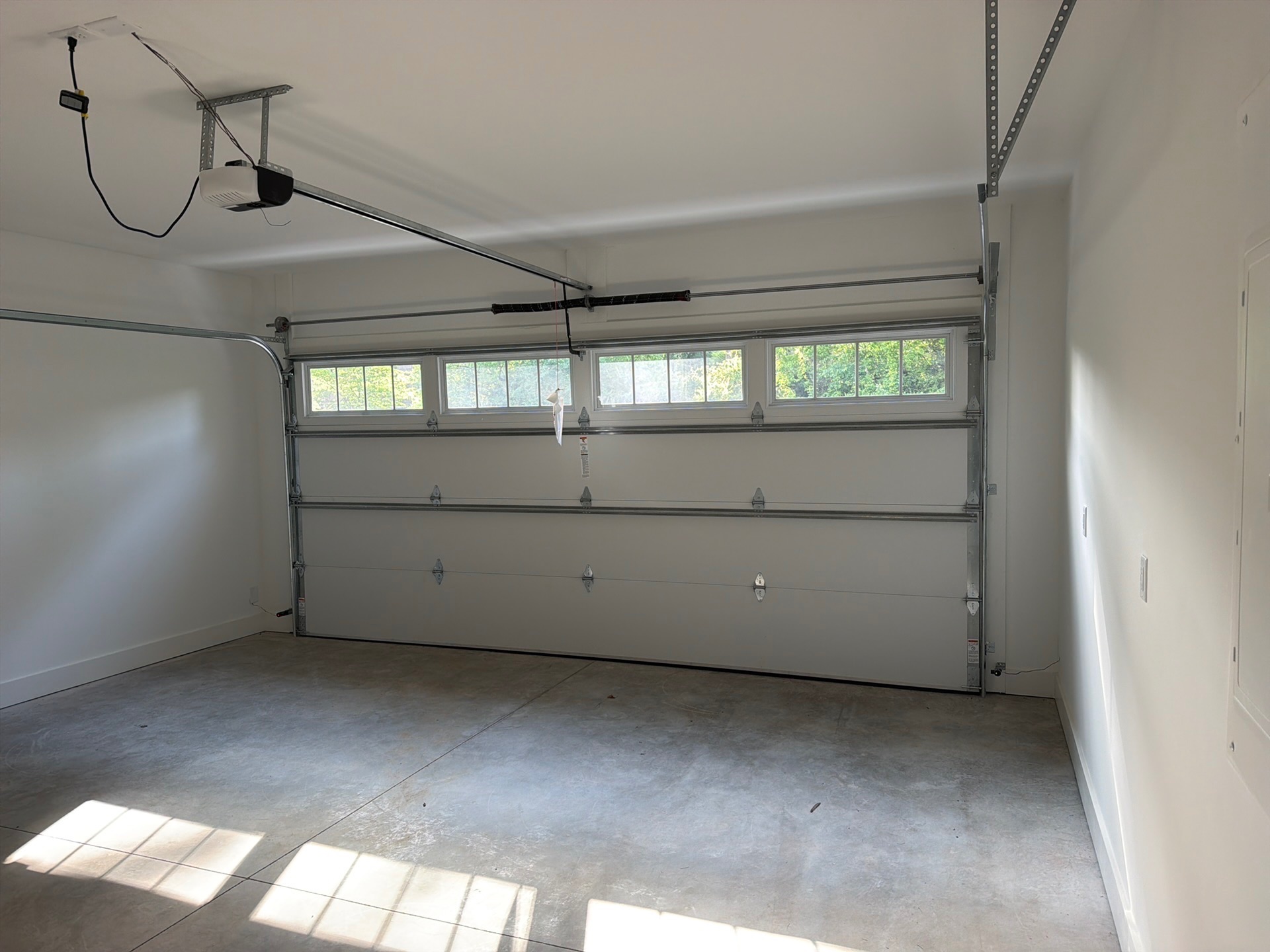
During the inspection of the garage floor, shrinkage cracks were observed on the concrete slab. These cracks, which are common in concrete as it dries and shrinks, can weaken the integrity of the floor and allow moisture and other elements to penetrate. The severity of the shrinkage cracks varies and some may not pose a serious concern, while others can be indicative of a more significant problem. Further evaluation, such as a structural assessment, may be necessary to determine the extent of the damage and any potential impact on the safety and stability of the garage.


This is to inform you that the home inspection performed on the property was limited in scope due to the presence of large amounts of furniture and stored items. As a result, certain wall, floor, and/or ceiling surfaces were obscured and could not be fully evaluated.
The inspector made every effort to assess the condition of the property to the best of their ability, but it is important to understand that the inspection was limited in scope due to the obstructions present. The inspector was unable to access and evaluate certain areas of the property, and the report should not be considered a comprehensive assessment of the entire property.
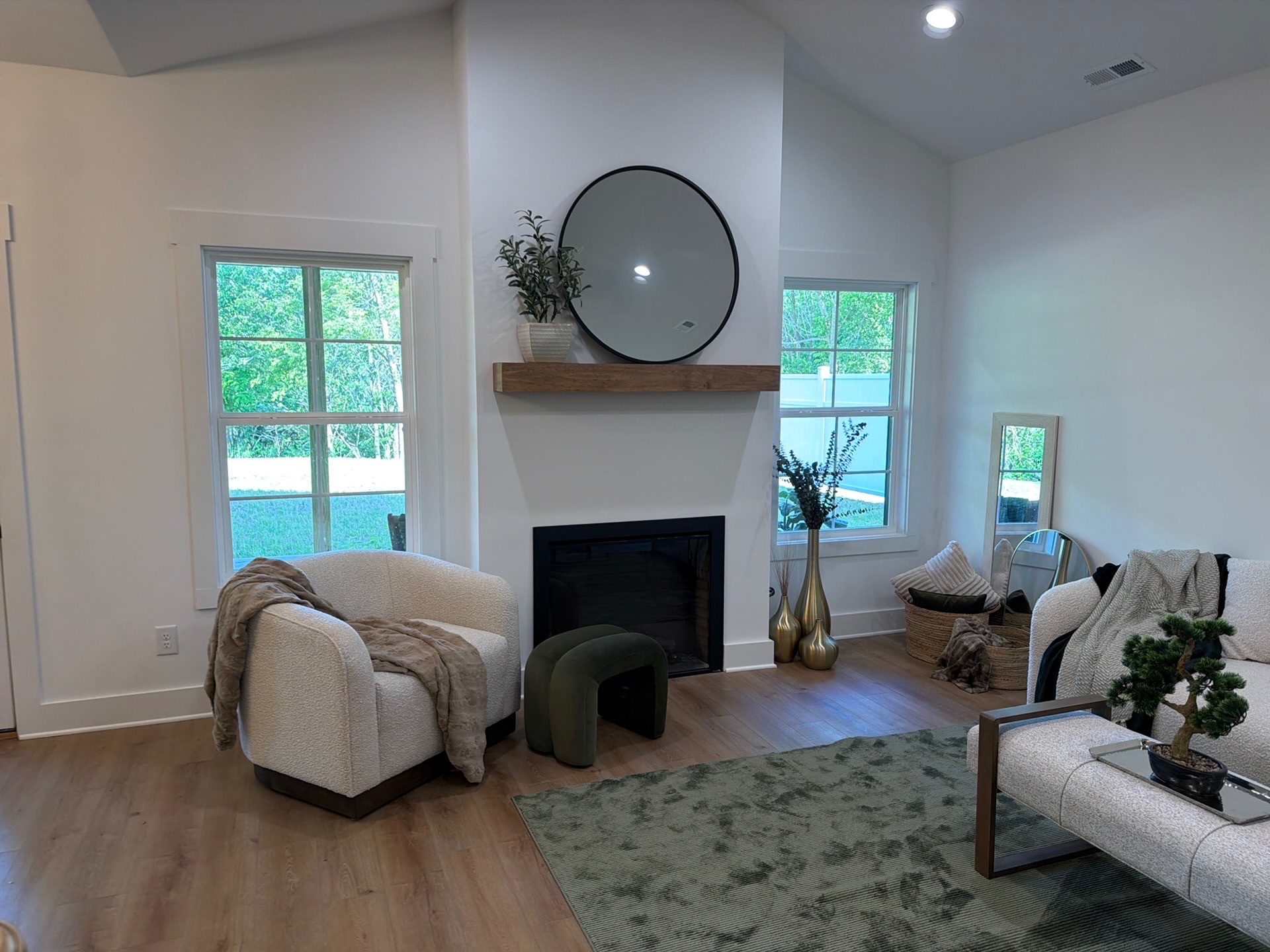
It is important to keep in mind that the inspector's findings are based on the observations made during the inspection and do not guarantee the condition of the property. Further investigation, such as removal of stored items or specialized testing, may be necessary to fully assess the condition of the property.
Evidence of an electrical faceplate that does not fully cover the drywall hole around the receptacle was noted. This condition may allow for dust, pests, and moisture intrusion, potentially compromising the integrity of the electrical system and creating a safety hazard. Immediate correction by a qualified contractor is recommended to ensure proper coverage and maintain safety standards.
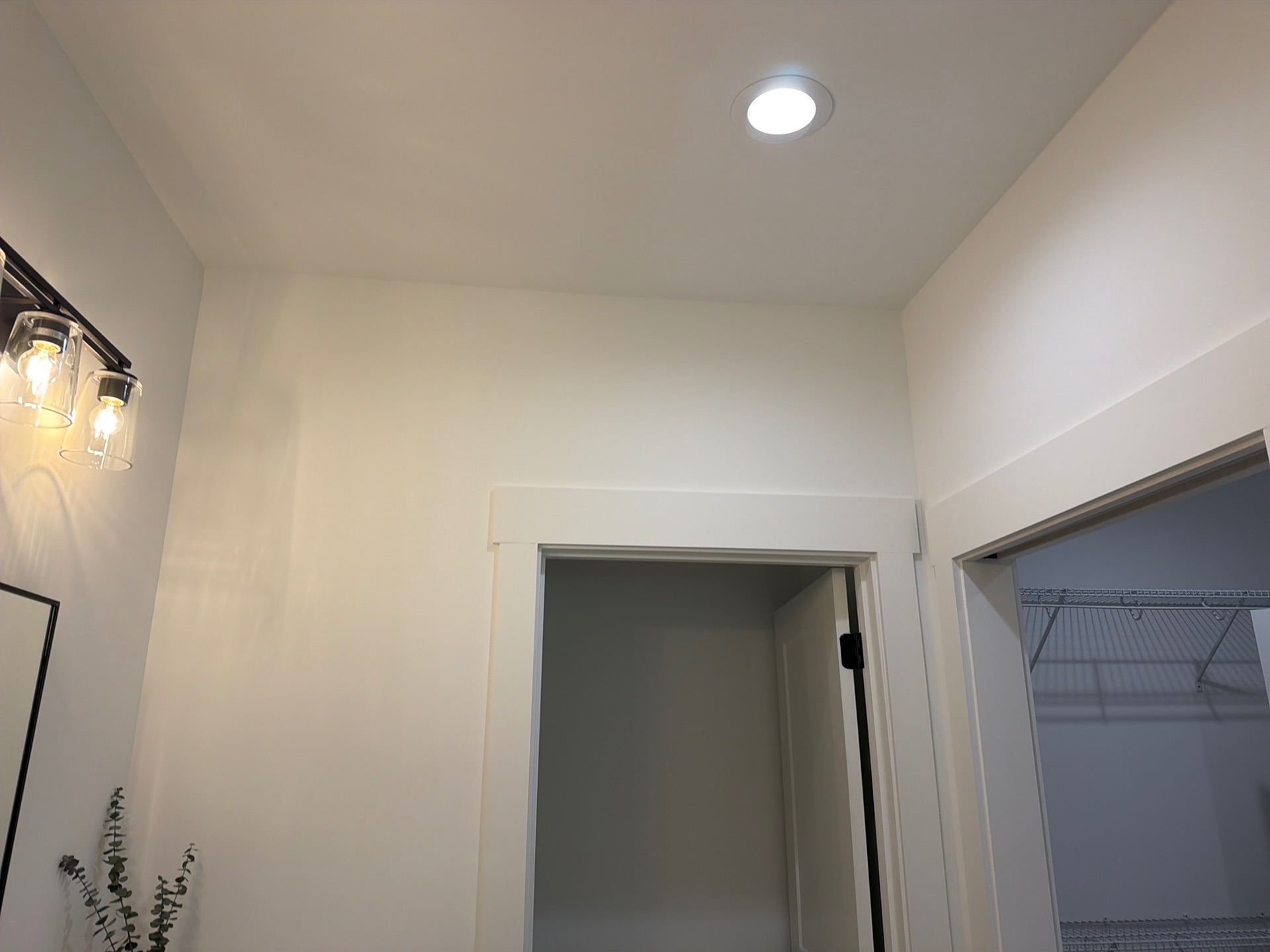
Evidence of a recessed light fixture not being flush with the ceiling was observed in the interior area. This misalignment can create potential hazards, including the risk of overheating or electrical issues if left unaddressed. It is recommended to have this condition evaluated and corrected by a qualified contractor to ensure safety and proper installation. Regular monitoring and routine maintenance of light fixtures are also advised to prevent future deficiencies.


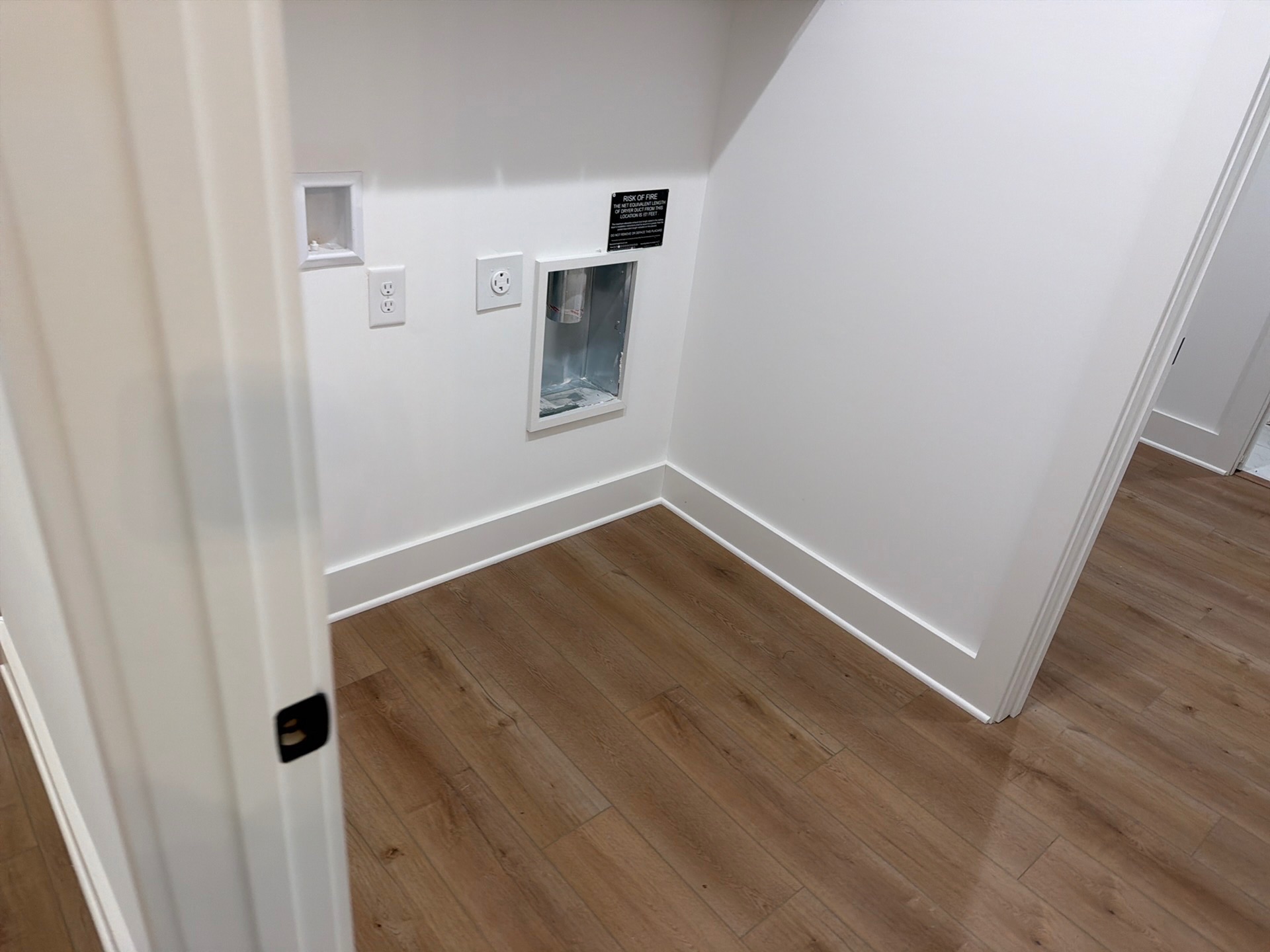
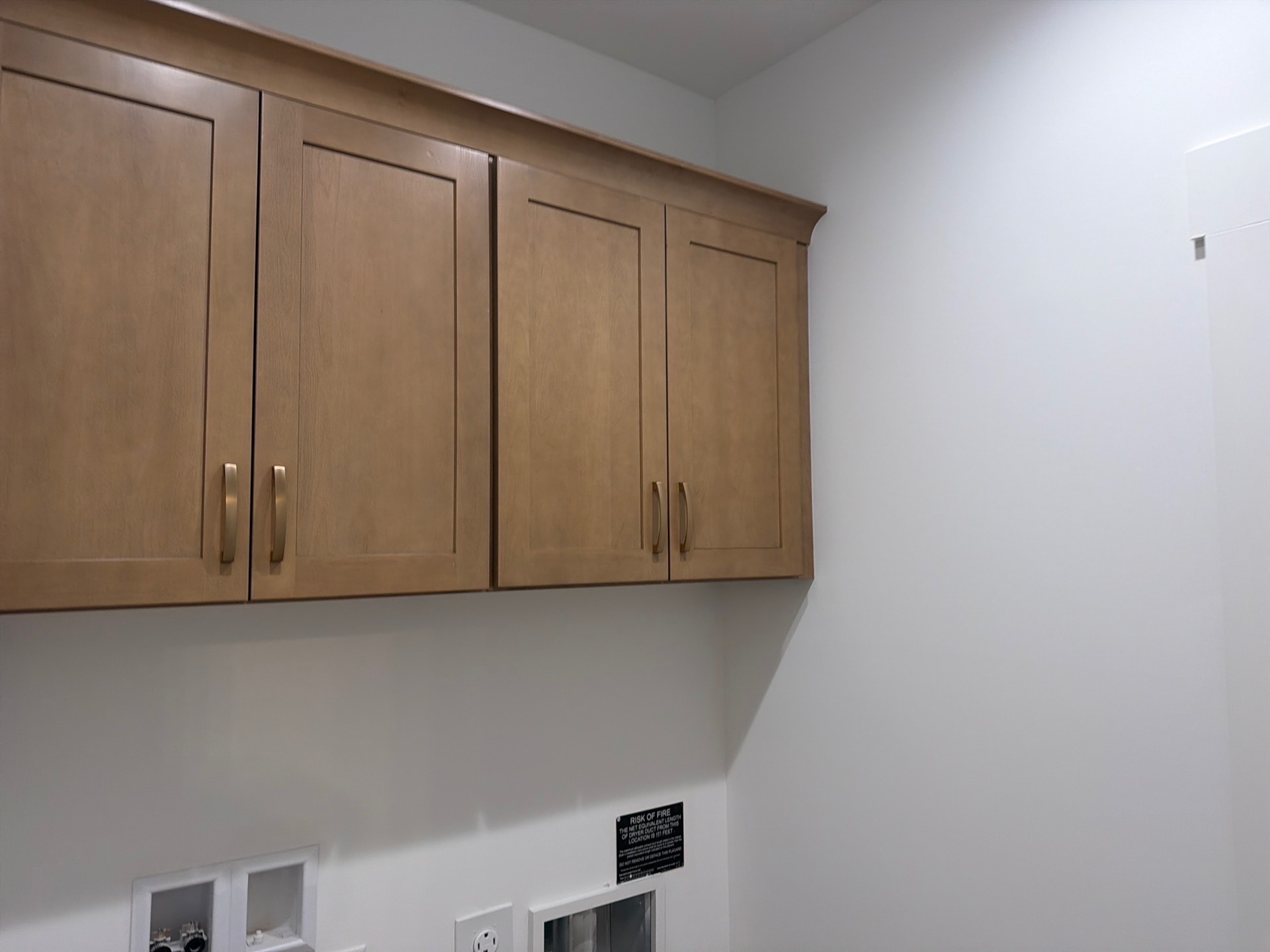
A washer drain knockout that has not been removed can obstruct proper drainage and cause issues such as water backup or flooding in the laundry area. The knockout is a plug or barrier in the drain pipe that needs to be removed to allow the drain line from the washing machine to connect and function correctly. Failure to remove the knockout can prevent the washer from draining efficiently, leading to potential water damage and inconvenience. It is essential to remove the knockout to ensure the washer's proper installation and operation.
Required disclosure:
A home inspection is a visual analysis of the property's physical structure and systems for the purpose of providing a professional opinion as defined under T.C.A. § 62-6-302(3)(A). It is not a technically exhaustive evaluation and does not include any measures or procedures outlined in T.C.A. § 62-6-302(3)(B), such as invasive testing, code compliance verification, or engineering assessments. The inspection is limited to what is readily accessible and observable at the time of the inspection and is conducted in accordance with the Tennessee Standards of Practice for Home Inspectors. Our inspectors are licensed in accordance with Tennessee state law. Inspector and Sub-Contracted Inspector Licensees are: Austin Jenkins (#1787), Chad Buckles (#2620), and Benjamin Dement (#2117). This summary report provides an overview of the key findings from the home inspection, including any major defects or areas of concern that were identified during the inspection. The report includes detailed information about the condition of the various components of the home, including the foundation, roof, electrical and plumbing systems, and more. It is important to note that this report is not a substitute for a professional evaluation or quote for repairs, and further inspections may be necessary to fully assess the condition of the property.